
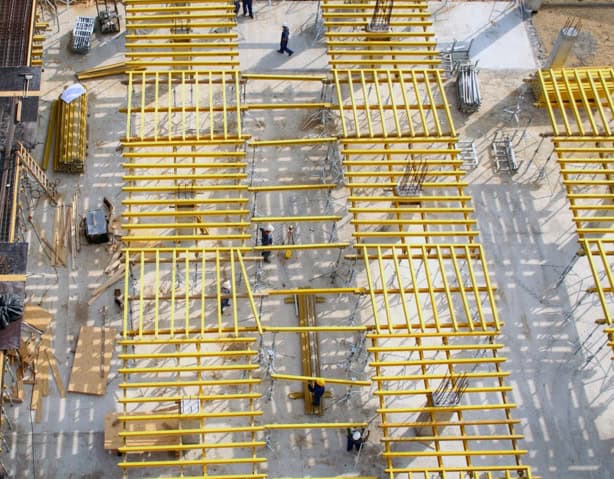
Temporary scaffolding is a modular support system designed specifically for short-term use in rapid construction projects. Unlike permanent structures, these systems prioritise quick assembly and disassembly, making them essential when construction efficiency requires immediate access to elevated work areas without lengthy setup times. The appeal of temporary scaffolding in quick builds goes beyond simple convenience. Modern construction projects face increasing pressure to deliver results within tight deadlines while maintaining high standards. Temporary scaffolding addresses this challenge through its inherent design philosophy—every component works together to reduce installation time, adapt to changing requirements, and provide secure working platforms. The Benefits of Using temporary scaffolding for Quick Builds include six critical areas that directly impact project success: Each benefit connects with the others, creating a comprehensive solution that transforms how contractors approach time-sensitive projects. The following sections examine these advantages in detail, revealing why temporary scaffolding has become the preferred choice for builds where every hour counts. Why Is Temporary Scaffolding Ideal for Fast Assembly? Temporary scaffolding achieves fast assembly through its modular design, where standardised components fit together seamlessly without complex tools or extensive training. The system eliminates time-consuming welding, cutting, or custom fabrication that traditional scaffolding often requires. Simple Principle of Modular Scaffolding Modular scaffolding operates on a simple principle: each element—frames, braces, platforms, and connectors—follows universal dimensions and connection points. Workers can identify compatible pieces instantly, reducing decision-making time during installation. A typical bay section can be erected in minutes rather than hours, with crews moving systematically across the site without pausing to measure or adjust components. Significant Advancements in Rapid Setup Technology The locking mechanisms represent a significant advancement in rapid setup technology. Modern temporary scaffolding employs: These connection methods dramatically reduce the skill threshold needed for assembly. A construction crew familiar with the system can erect scaffolding at speeds approaching 100 square metres per hour under optimal conditions, compared to 30-40 square metres with conventional methods. Targeted Adjustments Without Dismantling Entire Sections Labour time savings extend beyond the initial setup. When projects require scaffolding modifications—adding height, extending platforms, or creating access points—the modular nature allows targeted adjustments without dismantling entire sections. Workers simply unlock specific components, reconfigure as needed, and secure the new arrangement within the existing framework. Benefits to Project Timelines Project timelines benefit from this efficiency in multiple ways. Scaffolding installation no longer represents a bottleneck that delays subsequent trades. Concrete crews, bricklayers, and finishing teams can begin work sooner, maintaining momentum throughout the build schedule. The reduced labour hours also free skilled workers for other critical tasks rather than tying them up in prolonged scaffold construction. How Does Temporary Scaffolding Provide Flexibility During Construction? Flexible scaffolding adapts seamlessly to changing project requirements through its inherent modular system design. Components can be added, removed, or repositioned within hours rather than days, allowing construction teams to respond immediately to evolving build specifications or unexpected site challenges. The site adaptability of temporary scaffolding becomes particularly valuable when working on complex structures with irregular shapes or multiple elevation levels. A scaffold configuration suitable for ground-floor work can be swiftly reconfigured to accommodate second-storey installations without requiring a complete teardown and rebuild. This adaptability extends to situations where access points need to shift as different trades move through the construction sequence. Adjusting to Different Build Stages Each construction phase demands unique access requirements. During foundation work, scaffolding may need minimal height but extensive ground coverage. As the structure rises, the same components can be reconfigured vertically, creating multi-level platforms that grow alongside the building. This vertical expansion happens without compromising the base structure or requiring entirely new equipment. Responding to Site Constraints Construction sites rarely offer perfect conditions. Uneven terrain, existing structures, or restricted access zones require scaffolding solutions that work around obstacles rather than against them. The modular nature allows for: Accommodating Design Changes Mid-project modifications are common in construction. When clients request alterations or engineers identify necessary adjustments, temporary scaffolding can be reconfigured to match new specifications. A scaffold initially designed for external wall access can be restructured to provide interior ceiling access, or extended to reach newly added building sections. The speed of reconfiguration minimises project delays. Where traditional scaffolding might require days of planning and reconstruction, modular temporary systems can be adapted during a single shift, keeping workers productive and timelines intact. How Does Temporary Scaffolding Ensure Worker Safety? Temporary scaffolding prioritises construction safety through engineered stability features that match or exceed permanent installations. Modern systems incorporate anti-slip platforms, guardrails, toe boards, and locking mechanisms that create secure platforms even during rapid deployment. The modular components undergo rigorous testing to withstand dynamic loads, wind forces, and worker movement. Scaffold safety relies on standardised connection points that eliminate guesswork during assembly. Each joint features positive locking systems—often colour-coded or numbered—that prevent incorrect installation. Workers can verify proper engagement through visual and tactile feedback, reducing human error during time-pressured builds. Compliance with The Benefits of Using temporary scaffolding for Quick Builds extends to meeting HSE regulations and BS EN 12811 standards. Temporary systems must pass identical load-bearing tests as permanent structures: The temporary designation refers to installation duration, not structural integrity. Manufacturers design these systems with safety factors of 4:1 or higher, meaning platforms support four times their rated capacity before failure. Galvanised steel tubes resist corrosion whilst maintaining strength, and aluminium alternatives offer comparable load ratings at reduced weight. Quick-assembly features enhance rather than compromise safety. Tool-free connections eliminate dropped spanners, whilst integrated ladders with self-closing gates prevent falls during access. Diagonal bracing installs in seconds through wedge clamps, providing immediate lateral stability that protects workers from the first platform level upwards. Why Is Temporary Scaffolding a Cost-Effective Solution for Quick Builds? Temporary scaffolding is a highly cost-effective solution for quick builds due to its ability to be reused and set up quickly. Here’s how it works: 1. Reusability of Scaffolding Components Contractors can use the same reusable scaffolding components across multiple projects, eliminating the need to constantly invest in new equipment. This approach turns
Month: January 2026
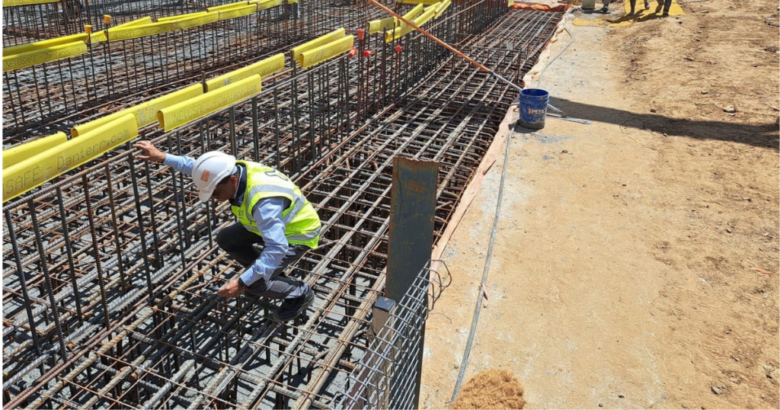
What is Durable Rebar and Why Should You Consider it for Your Next Construction Project? Durable rebar is a type of reinforcement used in construction that is specifically designed to make concrete structures stronger while also being resistant to damage from the environment over long periods of time. Unlike regular steel reinforcement bars, durable rebar has special features built into it—such as protective coatings, stainless steel materials, or advanced carbon steel mixtures—that prevent rusting and keep the structure intact even in tough conditions. The Role of Construction Reinforcement Reinforcement is crucial in concrete construction because it helps distribute and absorb tensile forces that concrete alone cannot handle. The quality of the reobar used directly affects the durability, safety, and lifecycle performance of buildings, bridges, and other infrastructure assets. When high-grade reobar is specified, structures achieve long-term resilience with minimal maintenance requirements. In contrast, low-quality reobar accelerates material fatigue, increasing the risk of early failure and driving up repair and compliance costs within just a few years. The Importance of Choosing the Right Reinforcement Material The success of a construction project depends on various factors, one of which is the choice of reinforcement material. This decision not only affects the immediate outcome of the project but also its long-term performance. Structures that are exposed to moisture, saltwater, or chemicals are at a higher risk of deteriorating quickly if made with inferior materials. Durable rebar offers a solution to this problem by providing resistance properties specifically designed for such environments. Why Durable Rebar is a Smart Choice for Modern Construction Projects Here are three reasons why durable rebar should be considered for your next construction project: These benefits elevate durable rebar from being just another building material to becoming an intelligent investment choice. Various projects such as those located near coastlines or underground systems can greatly benefit from using this type of reinforcement which maintains its performance regardless of challenging conditions. The initial decision regarding what kind of materials will be used has a significant impact on future budgets allocated for maintenance work, safety outcomes achieved during inspections, as well as overall reliability exhibited by structures throughout their intended lifespan. How Does Corrosion Resistance in Durable Rebar Types Benefit Construction Projects? Corrosion resistance protects structures from the inside out, preventing the rust-related deterioration that compromises standard steel rebars and leads to costly structural failures. Standard steel rebars oxidise when exposed to moisture and oxygen, causing the metal to expand up to six times its original volume. This expansion creates internal pressure that cracks concrete from within, weakening load-bearing capacity and threatening the entire structure’s integrity. Why Standard Steel Rebars Fail Under Environmental Stress Traditional mild steel rebars lack adequate protection against environmental aggressors. When water penetrates concrete through cracks or porous sections, it reaches the embedded steel and initiates electrochemical reactions. Chloride ions from saltwater or de-icing chemicals accelerate this process dramatically. The resulting rust not only weakens the rebar itself but also breaks the bond between steel and concrete, creating a cascade of structural problems that worsen exponentially over time. Galvanised Rebar: Zinc-Coated Protection Galvanised rebar features a zinc coating that acts as a sacrificial barrier, corroding in place of the underlying steel. This protective layer extends the rebar’s service life by 50 to 100 years compared to uncoated alternatives. The zinc coating works through cathodic protection, where the zinc preferentially oxidises before the steel substrate. Even if the concrete cracks and exposes the rebar, the zinc continues providing protection to nearby steel surfaces through electrochemical action. The thickness of zinc coating typically ranges from 76 to 610 micrometres, with thicker coatings offering enhanced protection in harsh environments. Galvanised rebar proves particularly effective in: Stainless Steel Rebar: Premium Corrosion Defence Stainless steel rebar delivers the highest level of corrosion resistance through its chromium-rich composition, which forms a self-healing passive oxide layer. This invisible film regenerates automatically when damaged, providing continuous protection without requiring external coatings. How Does Durable Rebar Provide Strength, Flexibility, and Cost-effectiveness for Various Construction Needs? Durable rebar delivers exceptional tensile strength that reinforces concrete structures against powerful external forces. This reinforcement proves essential when buildings face earthquakes, floods, or sustained heavy loads that would otherwise compromise structural integrity. How Does Tensile Strength Protect Against External Forces? The load-bearing capacity of durable rebar transforms brittle concrete into a resilient composite material. When seismic activity strikes, the tensile properties of reinforcement bars absorb and distribute stress throughout the structure. Standard concrete alone cracks under tension, but properly reinforced sections maintain their form even during violent ground movements. High-grade rebar creates a network within concrete that: What Makes Carbon Steel Rebar Ideal for Handling and Installation? Carbon steel rebar combines strength with practical advantages that simplify construction workflows. Its lightweight nature reduces physical strain on workers whilst maintaining the durability required for demanding applications. Contractors appreciate how these bars bend and shape without special heating equipment. The flexibility of carbon steel allows fabricators to create complex reinforcement patterns. Curved architectural features, spiral staircases, and custom foundation designs become achievable without sacrificing structural performance. Installation crews can position these bars quickly, cutting labour hours on site. Does the Initial Investment in Durable Rebar Pay Off? Stainless steel rebar costs more upfront than mild steel alternatives, yet the financial picture shifts when examining decades of service life. A structure reinforced with standard mild steel might require major repairs within 15-20 years, especially in harsh environments. Durable options extend this timeline to 50 years or beyond. The cost-effectiveness calculation includes: How Does Corrosion Resistance Translate to Financial Savings? How Do Durable Rebars Support Sustainable Construction Practices? Durable rebars contribute significantly to sustainable construction by incorporating recyclable materials and reducing the environmental footprint of building projects. Many manufacturers produce these reinforcement materials from recycled steel, which diverts waste from landfills and decreases the demand for virgin raw materials. This circular approach to material sourcing aligns with modern eco-friendly building principles whilst maintaining the structural integrity required for demanding construction applications. The manufacturing process for