
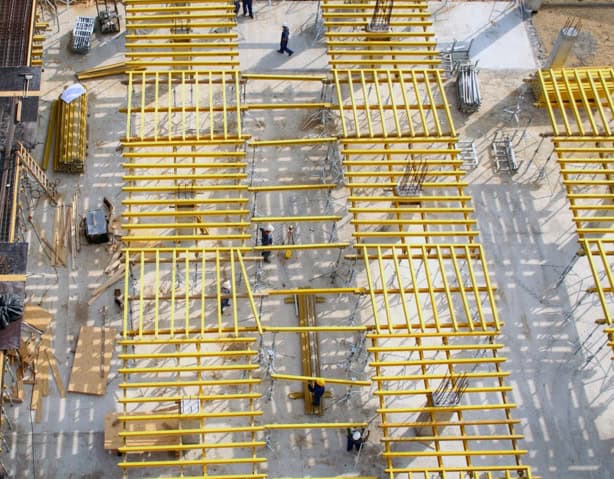
Temporary scaffolding is a modular support system designed specifically for short-term use in rapid construction projects. Unlike permanent structures, these systems prioritise quick assembly and disassembly, making them essential when construction efficiency requires immediate access to elevated work areas without lengthy setup times.
The appeal of temporary scaffolding in quick builds goes beyond simple convenience. Modern construction projects face increasing pressure to deliver results within tight deadlines while maintaining high standards. Temporary scaffolding addresses this challenge through its inherent design philosophy—every component works together to reduce installation time, adapt to changing requirements, and provide secure working platforms.
The Benefits of Using temporary scaffolding for Quick Builds include six critical areas that directly impact project success:
- Speed: Modular components lock together rapidly, slashing assembly time
- Flexibility: Configurations adjust seamlessly to different build stages
- Safety: Robust platforms meet stringent standards despite temporary status
- Cost-effectiveness: Reusable components and swift setup reduce expenditure
- Accessibility: Workers reach challenging locations with ease
- Material advantages: Lightweight construction enhances portability
Each benefit connects with the others, creating a comprehensive solution that transforms how contractors approach time-sensitive projects. The following sections examine these advantages in detail, revealing why temporary scaffolding has become the preferred choice for builds where every hour counts.
Why Is Temporary Scaffolding Ideal for Fast Assembly?
Temporary scaffolding achieves fast assembly through its modular design, where standardised components fit together seamlessly without complex tools or extensive training. The system eliminates time-consuming welding, cutting, or custom fabrication that traditional scaffolding often requires.
Simple Principle of Modular Scaffolding
Modular scaffolding operates on a simple principle: each element—frames, braces, platforms, and connectors—follows universal dimensions and connection points. Workers can identify compatible pieces instantly, reducing decision-making time during installation. A typical bay section can be erected in minutes rather than hours, with crews moving systematically across the site without pausing to measure or adjust components.
Significant Advancements in Rapid Setup Technology
The locking mechanisms represent a significant advancement in rapid setup technology. Modern temporary scaffolding employs:
- Cup-lock systems that secure vertical and horizontal members with a simple hammer tap
- Wedge-lock connections allowing one-handed operation for quick bay assembly
- Pin-and-clip joints that snap into place without requiring specialised fasteners
- Self-aligning couplers that guide components into correct positions automatically
These connection methods dramatically reduce the skill threshold needed for assembly. A construction crew familiar with the system can erect scaffolding at speeds approaching 100 square metres per hour under optimal conditions, compared to 30-40 square metres with conventional methods.
Targeted Adjustments Without Dismantling Entire Sections
Labour time savings extend beyond the initial setup. When projects require scaffolding modifications—adding height, extending platforms, or creating access points—the modular nature allows targeted adjustments without dismantling entire sections. Workers simply unlock specific components, reconfigure as needed, and secure the new arrangement within the existing framework.
Benefits to Project Timelines
Project timelines benefit from this efficiency in multiple ways. Scaffolding installation no longer represents a bottleneck that delays subsequent trades. Concrete crews, bricklayers, and finishing teams can begin work sooner, maintaining momentum throughout the build schedule. The reduced labour hours also free skilled workers for other critical tasks rather than tying them up in prolonged scaffold construction.
How Does Temporary Scaffolding Provide Flexibility During Construction?
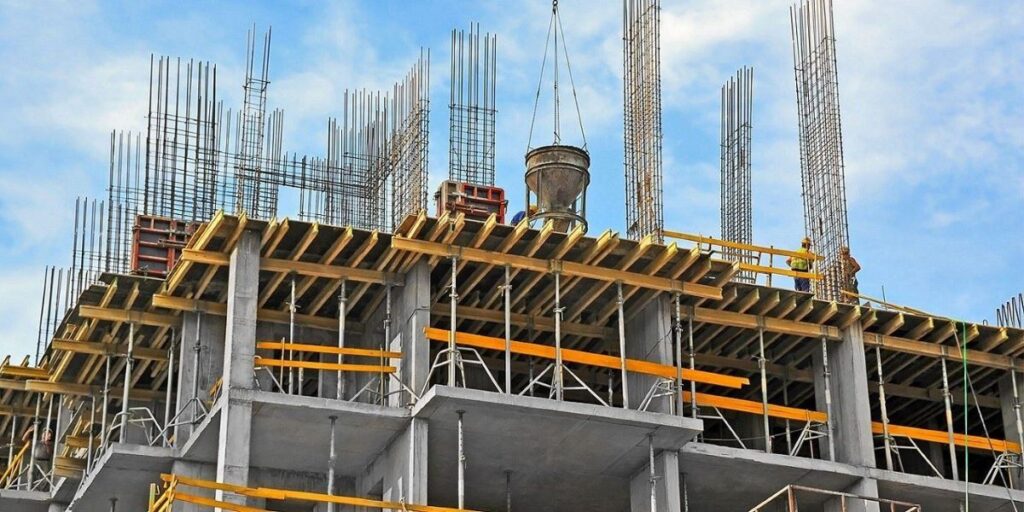
Flexible scaffolding adapts seamlessly to changing project requirements through its inherent modular system design. Components can be added, removed, or repositioned within hours rather than days, allowing construction teams to respond immediately to evolving build specifications or unexpected site challenges.
The site adaptability of temporary scaffolding becomes particularly valuable when working on complex structures with irregular shapes or multiple elevation levels. A scaffold configuration suitable for ground-floor work can be swiftly reconfigured to accommodate second-storey installations without requiring a complete teardown and rebuild. This adaptability extends to situations where access points need to shift as different trades move through the construction sequence.
Adjusting to Different Build Stages
Each construction phase demands unique access requirements. During foundation work, scaffolding may need minimal height but extensive ground coverage. As the structure rises, the same components can be reconfigured vertically, creating multi-level platforms that grow alongside the building. This vertical expansion happens without compromising the base structure or requiring entirely new equipment.
Responding to Site Constraints
Construction sites rarely offer perfect conditions. Uneven terrain, existing structures, or restricted access zones require scaffolding solutions that work around obstacles rather than against them. The modular nature allows for:
- Custom configurations around protruding architectural features
- Asymmetrical layouts that navigate tight spaces between buildings
- Variable bay sizes to accommodate different working areas
- Adjustable base plates that compensate for sloped or irregular ground
Accommodating Design Changes
Mid-project modifications are common in construction. When clients request alterations or engineers identify necessary adjustments, temporary scaffolding can be reconfigured to match new specifications. A scaffold initially designed for external wall access can be restructured to provide interior ceiling access, or extended to reach newly added building sections.
The speed of reconfiguration minimises project delays. Where traditional scaffolding might require days of planning and reconstruction, modular temporary systems can be adapted during a single shift, keeping workers productive and timelines intact.
How Does Temporary Scaffolding Ensure Worker Safety?
Temporary scaffolding prioritises construction safety through engineered stability features that match or exceed permanent installations. Modern systems incorporate anti-slip platforms, guardrails, toe boards, and locking mechanisms that create secure platforms even during rapid deployment. The modular components undergo rigorous testing to withstand dynamic loads, wind forces, and worker movement.
Scaffold safety relies on standardised connection points that eliminate guesswork during assembly. Each joint features positive locking systems—often colour-coded or numbered—that prevent incorrect installation. Workers can verify proper engagement through visual and tactile feedback, reducing human error during time-pressured builds.
Compliance with The Benefits of Using temporary scaffolding for Quick Builds extends to meeting HSE regulations and BS EN 12811 standards. Temporary systems must pass identical load-bearing tests as permanent structures:
- Load capacity ratings clearly marked on components (typically 225kg per platform)
- Inspection tags documenting pre-use checks and weekly examinations
- Anchor points engineered to specific tie ratios (usually 8m² per tie)
- Base plates with adjustable feet for level foundations on uneven terrain
The temporary designation refers to installation duration, not structural integrity. Manufacturers design these systems with safety factors of 4:1 or higher, meaning platforms support four times their rated capacity before failure. Galvanised steel tubes resist corrosion whilst maintaining strength, and aluminium alternatives offer comparable load ratings at reduced weight.
Quick-assembly features enhance rather than compromise safety. Tool-free connections eliminate dropped spanners, whilst integrated ladders with self-closing gates prevent falls during access. Diagonal bracing installs in seconds through wedge clamps, providing immediate lateral stability that protects workers from the first platform level upwards.
Why Is Temporary Scaffolding a Cost-Effective Solution for Quick Builds?
Temporary scaffolding is a highly cost-effective solution for quick builds due to its ability to be reused and set up quickly. Here’s how it works:
1. Reusability of Scaffolding Components
Contractors can use the same reusable scaffolding components across multiple projects, eliminating the need to constantly invest in new equipment. This approach turns what could be an ongoing expense into a one-time investment that pays off over time.
2. Versatility of Modular Systems
The modular design of temporary scaffolding means that its parts rarely become outdated. Standard fittings, tubes, and platforms can be used in different configurations, allowing contractors to build a flexible inventory that meets various project needs. For example, a set of scaffolding purchased for a home renovation can later be used for commercial fit-outs, bridge repairs, or industrial maintenance work without any modifications.
3. Reduced Labour Costs
Another significant financial benefit is the reduction in labour costs. Traditional scaffolding systems often require specialised teams spending several days on assembly, leading to high labour expenses. With temporary scaffolding, its user-friendly locking mechanisms and lightweight design enable smaller crews to complete installations in just a few hours instead of days. This efficiency directly translates into lower wage bills and faster project start times.
4. Savings Throughout the Project Lifecycle
The speed factor also brings savings at different stages of the project:
- Shorter project timelines result in lower site overhead costs such as security, utilities, and management expenses
- Less storage space needed between projects reduces warehouse and transportation costs
- Quick disassembly allows labour resources to be freed up for upcoming contracts sooner
- Lower insurance premiums due to shorter periods of exposure on-site
5. Lower Maintenance Costs
Temporary systems also have an advantage when it comes to maintenance costs. Their simple design means there are fewer complex joints and mechanisms that might require specialised servicing. Components can be inspected quickly, and any damaged parts can be replaced individually without having to scrap entire sections. Many contractors report maintenance budgets that are 30-40% lower compared to permanent scaffolding alternatives.
6. Financial Flexibility with Rental Market
The rental market for temporary scaffolding offers additional financial flexibility. Contractors who face irregular demand can hire equipment for specific projects instead of purchasing it outright, avoiding capital being tied up in assets that are not being used efficiently. This pay-as-you-use model helps improve cash flow management while still providing the speed and safety benefits that temporary systems offer.
How Does Temporary Scaffolding Improve Accessibility on Construction Sites?
Temporary scaffolding transforms accessibility by creating stable platforms that reach elevated or awkward positions where traditional ladders or equipment cannot safely operate. Workers gain efficient work access to building facades, ceiling installations, and structural repairs without compromising their safety or productivity.
Adapting to Irregular Structures
The modular nature of temporary scaffolding allows construction teams to position platforms at precise heights and angles. This adaptability proves invaluable when working on buildings with irregular shapes, sloped roofs, or architectural features that create hard-to-reach areas. A painter working on a Victorian building’s ornate cornicing, for instance, can position scaffolding platforms at multiple levels simultaneously, eliminating the need to constantly reposition equipment.
Enhancing Workflow Efficiency
Multiple access points can be established across a single structure, enabling different trades to work concurrently without interfering with each other’s movements. Electricians might access upper-floor wiring through one section whilst plumbers work on ground-floor installations via another, dramatically improving workflow efficiency.
Advantages Over Alternative Access Methods
The platform design of temporary scaffolding offers distinct advantages over alternative access methods:
- Hands-free movement – Workers can carry tools and materials whilst moving between levels
- Stable work surfaces – Tasks requiring precision become easier when standing on secure platforms rather than balancing on ladders
- Team collaboration – Multiple workers can occupy the same platform, facilitating complex tasks
- Equipment positioning – Heavy machinery or materials can be stored at working height
Overcoming Accessibility Challenges
Temporary scaffolding also addresses accessibility challenges in confined spaces. Narrow alleyways between buildings or interior rooms with limited floor space can accommodate slim-profile scaffolding systems that still provide adequate working platforms. This capability proves particularly valuable in urban renovation projects where site constraints would otherwise limit access options.
Rapid Deployment for Unexpected Needs
The quick assembly characteristics of temporary scaffolding mean access solutions can be deployed rapidly when unexpected work requirements emerge. If inspectors identify structural issues requiring immediate attention, scaffolding can be erected within hours rather than days, preventing project delays whilst maintaining safe working conditions.
What Role Do Lightweight Materials Play in Temporary Scaffolding?
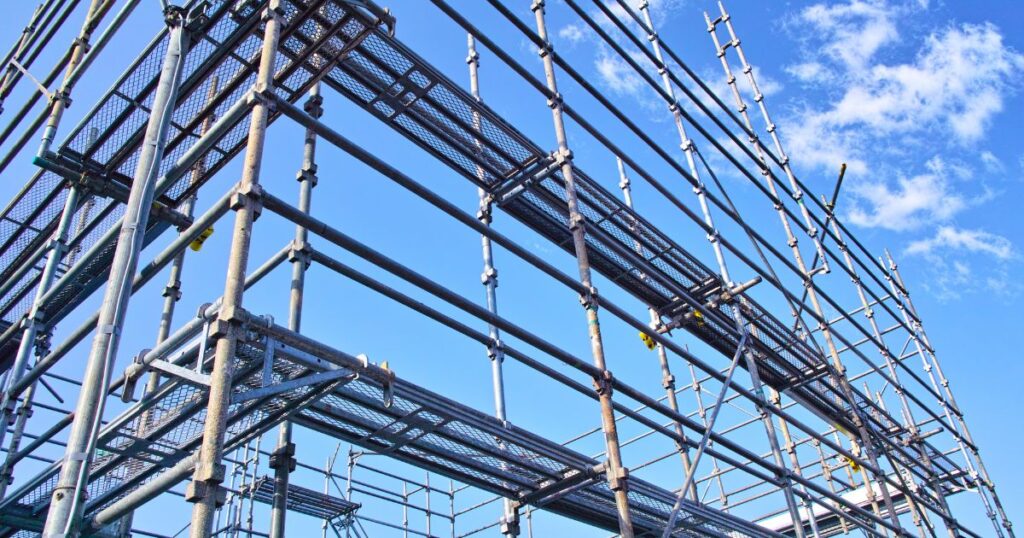
Lightweight scaffolding materials are essential for efficient quick-build operations as they significantly reduce physical strain and setup times. Modern temporary scaffolding systems mainly use aluminium scaffolding and bamboo scaffolding, both of which have unique benefits that perfectly meet the needs of fast-paced construction.
Material Properties That Speed Up Construction
Aluminium scaffolding weighs around 40-50% less than traditional steel options while still being able to support similar weights. Two workers can easily carry and set up a standard aluminium scaffold tower without needing any mechanical lifting equipment on many projects. This reduction in weight directly leads to quicker installation times, with some modular aluminium systems being fully assembled in less than 30 minutes.
Bamboo scaffolding, which is commonly used in Asian construction markets, has an impressive strength-to-weight ratio. Each bamboo pole weighs between 5-10 kilograms but can hold loads over 3,000 kilograms when properly set up. The natural flexibility of bamboo allows it to absorb wind loads and slight structural movements without losing stability.
Portability Advantages for Quick Builds
The benefits of transporting lightweight scaffolding materials are significant. A single commercial vehicle can carry enough aluminium parts to scaffold a three-storey building, while the same amount of steel scaffolding would need multiple trips. This efficiency in logistics reduces project mobilisation time by up to 60% compared to heavier options.
Moving from one site to another becomes much easier with lightweight materials. Contractors working on several projects at the same time can quickly move scaffolding resources within hours instead of days. The reduced weight also puts less pressure on the ground, making it possible to set up on surfaces that couldn’t support heavier systems without extra support.
Installation Speed and Labour Efficiency
Lightweight scaffolding materials directly contribute to the benefits of using temporary scaffolding for quick builds by making handling procedures simpler. Workers feel less tired when working with lighter components, allowing them to stay productive during long shifts. A typical aluminium scaffold frame requires 30-40% less physical effort to move compared to steel ones.
The ergonomic advantages also apply to vertical assembly tasks. Workers can safely lift and secure lightweight parts at heights without needing any mechanical help, which eliminates delays caused by scheduling cranes or other machinery.
Conclusion
Temporary scaffolding is a proven quick build solution that addresses the core challenges of time-sensitive construction projects. Its modular design, rapid assembly capabilities, and adaptable configurations offer advantages that traditional scaffolding systems struggle to match.
The benefits summary reveals compelling reasons to adopt this approach:
- Speed gains come from components that lock together in minutes rather than hours.
- Flexibility allows contractors to respond to changing site requirements without starting from scratch.
- Safety features remain uncompromised despite the temporary designation, with robust platforms and compliance-certified structures protecting workers throughout the build.
- Cost considerations make temporary scaffolding particularly attractive. Reusable components spread their value across multiple projects, whilst reduced labour hours for setup and dismantling directly impact the bottom line. Lightweight materials like aluminium and bamboo enhance these financial benefits through easier transportation and handling.
- Accessibility improvements transform how teams approach challenging work zones. Elevated areas, awkward corners, and restricted spaces become manageable when workers have secure, well-designed access points. This capability accelerates progress across all construction phases.
The benefits of using temporary scaffolding for quick builds extend beyond individual project gains. Contractors who integrate these systems into their standard practices develop competitive advantages through faster turnaround times, improved resource allocation, and enhanced safety records. The combination of speed, economy, and reliability makes temporary scaffolding an essential consideration for any project where time constraints demand efficient solutions without sacrificing quality or worker protection.
FAQs (Frequently Asked Questions)
What makes temporary scaffolding ideal for fast assembly in construction projects?
Temporary scaffolding features a modular design that allows components to lock together rapidly on-site. This modularity minimises labour time and accelerates project timelines, making it perfect for quick builds.
How does temporary scaffolding offer flexibility during different stages of construction?
The flexible, modular system of temporary scaffolding enables easy adaptation and reconfiguration according to varying build stages or site conditions, ensuring efficient progress throughout the project.
In what ways does temporary scaffolding ensure worker safety during rapid construction?
Despite its temporary nature, temporary scaffolding incorporates stability and secure platform features that comply with strict safety standards, providing a safe working environment even during fast-paced construction phases.
Why is temporary scaffolding considered a cost-effective solution for quick builds?
Temporary scaffolding components are reusable across multiple projects, leading to significant cost savings. Additionally, faster setup and disassembly times reduce labour costs, enhancing overall cost-effectiveness.
How does temporary scaffolding improve accessibility on challenging construction sites?
Temporary scaffolding provides safe and efficient access to elevated or hard-to-reach areas, facilitating smoother workflows and enabling workers to perform tasks effectively in difficult locations.
What role do lightweight materials play in the effectiveness of temporary scaffolding?
Lightweight materials such as bamboo and aluminium are commonly used in manufacturing temporary scaffold components. These materials enhance portability and ease of installation, contributing significantly to faster build processes.
See more about: Top 3 Reasons to Choose Durable reobar for Your Next Project