
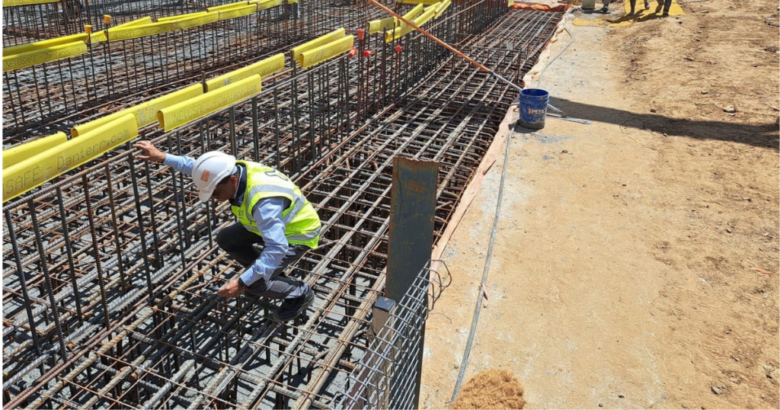
What is Durable Rebar and Why Should You Consider it for Your Next Construction Project?
Durable rebar is a type of reinforcement used in construction that is specifically designed to make concrete structures stronger while also being resistant to damage from the environment over long periods of time. Unlike regular steel reinforcement bars, durable rebar has special features built into it—such as protective coatings, stainless steel materials, or advanced carbon steel mixtures—that prevent rusting and keep the structure intact even in tough conditions.
The Role of Construction Reinforcement
Reinforcement is crucial in concrete construction because it helps distribute and absorb tensile forces that concrete alone cannot handle. The quality of the reobar used directly affects the durability, safety, and lifecycle performance of buildings, bridges, and other infrastructure assets. When high-grade reobar is specified, structures achieve long-term resilience with minimal maintenance requirements. In contrast, low-quality reobar accelerates material fatigue, increasing the risk of early failure and driving up repair and compliance costs within just a few years.
The Importance of Choosing the Right Reinforcement Material
The success of a construction project depends on various factors, one of which is the choice of reinforcement material. This decision not only affects the immediate outcome of the project but also its long-term performance. Structures that are exposed to moisture, saltwater, or chemicals are at a higher risk of deteriorating quickly if made with inferior materials. Durable rebar offers a solution to this problem by providing resistance properties specifically designed for such environments.
Why Durable Rebar is a Smart Choice for Modern Construction Projects
Here are three reasons why durable rebar should be considered for your next construction project:
- Corrosion resistance: This feature ensures that the structure lasts longer and requires less maintenance over time.
- Superior strength and flexibility: These qualities allow the rebar to withstand different types of loads and environmental pressures.
- Long-term cost-effectiveness: By reducing the need for frequent repairs and replacements, durable rebar proves to be more economical in the long run.
These benefits elevate durable rebar from being just another building material to becoming an intelligent investment choice. Various projects such as those located near coastlines or underground systems can greatly benefit from using this type of reinforcement which maintains its performance regardless of challenging conditions.
The initial decision regarding what kind of materials will be used has a significant impact on future budgets allocated for maintenance work, safety outcomes achieved during inspections, as well as overall reliability exhibited by structures throughout their intended lifespan.
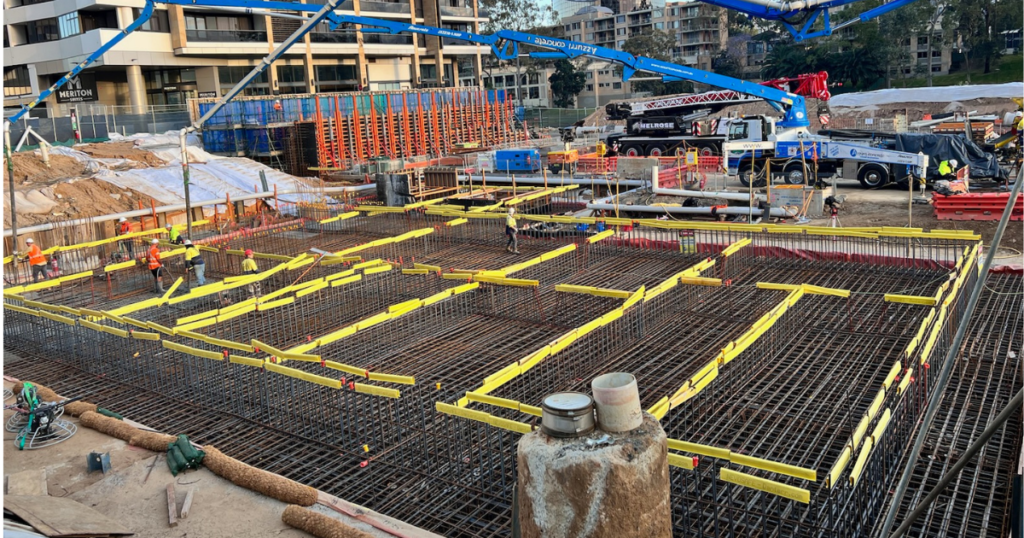
How Does Corrosion Resistance in Durable Rebar Types Benefit Construction Projects?
Corrosion resistance protects structures from the inside out, preventing the rust-related deterioration that compromises standard steel rebars and leads to costly structural failures. Standard steel rebars oxidise when exposed to moisture and oxygen, causing the metal to expand up to six times its original volume. This expansion creates internal pressure that cracks concrete from within, weakening load-bearing capacity and threatening the entire structure’s integrity.
Why Standard Steel Rebars Fail Under Environmental Stress
Traditional mild steel rebars lack adequate protection against environmental aggressors. When water penetrates concrete through cracks or porous sections, it reaches the embedded steel and initiates electrochemical reactions. Chloride ions from saltwater or de-icing chemicals accelerate this process dramatically. The resulting rust not only weakens the rebar itself but also breaks the bond between steel and concrete, creating a cascade of structural problems that worsen exponentially over time.
Galvanised Rebar: Zinc-Coated Protection
Galvanised rebar features a zinc coating that acts as a sacrificial barrier, corroding in place of the underlying steel. This protective layer extends the rebar’s service life by 50 to 100 years compared to uncoated alternatives. The zinc coating works through cathodic protection, where the zinc preferentially oxidises before the steel substrate. Even if the concrete cracks and exposes the rebar, the zinc continues providing protection to nearby steel surfaces through electrochemical action.
The thickness of zinc coating typically ranges from 76 to 610 micrometres, with thicker coatings offering enhanced protection in harsh environments. Galvanised rebar proves particularly effective in:
- Bridge decks exposed to road salts
- Parking structures with freeze-thaw cycles
- Industrial facilities with chemical exposure
- Coastal buildings within splash zones
Stainless Steel Rebar: Premium Corrosion Defence
Stainless steel rebar delivers the highest level of corrosion resistance through its chromium-rich composition, which forms a self-healing passive oxide layer. This invisible film regenerates automatically when damaged, providing continuous protection without requiring external coatings.
How Does Durable Rebar Provide Strength, Flexibility, and Cost-effectiveness for Various Construction Needs?
Durable rebar delivers exceptional tensile strength that reinforces concrete structures against powerful external forces. This reinforcement proves essential when buildings face earthquakes, floods, or sustained heavy loads that would otherwise compromise structural integrity.
How Does Tensile Strength Protect Against External Forces?
The load-bearing capacity of durable rebar transforms brittle concrete into a resilient composite material. When seismic activity strikes, the tensile properties of reinforcement bars absorb and distribute stress throughout the structure. Standard concrete alone cracks under tension, but properly reinforced sections maintain their form even during violent ground movements.
High-grade rebar creates a network within concrete that:
- Distributes weight evenly across foundation elements
- Prevents catastrophic failure during unexpected stress events
- Maintains structural shape under continuous heavy loads
- Provides earthquake resistance through controlled flexing
What Makes Carbon Steel Rebar Ideal for Handling and Installation?
Carbon steel rebar combines strength with practical advantages that simplify construction workflows. Its lightweight nature reduces physical strain on workers whilst maintaining the durability required for demanding applications. Contractors appreciate how these bars bend and shape without special heating equipment.
The flexibility of carbon steel allows fabricators to create complex reinforcement patterns. Curved architectural features, spiral staircases, and custom foundation designs become achievable without sacrificing structural performance. Installation crews can position these bars quickly, cutting labour hours on site.
Does the Initial Investment in Durable Rebar Pay Off?
Stainless steel rebar costs more upfront than mild steel alternatives, yet the financial picture shifts when examining decades of service life. A structure reinforced with standard mild steel might require major repairs within 15-20 years, especially in harsh environments. Durable options extend this timeline to 50 years or beyond.
The cost-effectiveness calculation includes:
- Reduced frequency of structural assessments
- Elimination of corrosion-related emergency repairs
- Lower insurance premiums for well-maintained buildings
- Avoided costs of tenant displacement during renovations
How Does Corrosion Resistance Translate to Financial Savings?
How Do Durable Rebars Support Sustainable Construction Practices?
Durable rebars contribute significantly to sustainable construction by incorporating recyclable materials and reducing the environmental footprint of building projects. Many manufacturers produce these reinforcement materials from recycled steel, which diverts waste from landfills and decreases the demand for virgin raw materials. This circular approach to material sourcing aligns with modern eco-friendly building principles whilst maintaining the structural integrity required for demanding construction applications.
The manufacturing process for durable rebars often requires less energy compared to producing traditional steel alternatives, particularly when recycled content forms the base material. Stainless steel rebars, for instance, can contain up to 60% recycled content without compromising their performance characteristics. This high recycled content reduces carbon emissions associated with mining and processing new steel, making them an environmentally responsible choice for construction projects.
Energy Savings Through Extended Service Life
The longevity of durable rebars directly translates to reduced energy consumption over a structure’s lifetime. Buildings reinforced with corrosion-resistant rebars require fewer repair interventions, eliminating the energy-intensive processes of demolition, material transportation, and reconstruction. A single repair cycle can consume substantial resources:
- Heavy machinery operation for accessing damaged reinforcement
- Manufacturing and transporting replacement materials
- Disposal of deteriorated concrete and steel
- Labour-intensive installation procedures
By extending the maintenance-free period from decades to potentially a century or more, durable rebars dramatically reduce these recurring energy demands. Coastal infrastructure projects using stainless steel rebar have demonstrated maintenance intervals three to four times longer than those using conventional steel, resulting in measurable energy savings across the structure’s lifespan.
Minimising Construction Waste
Durable rebars play a crucial role in waste reduction by promoting structures that resist premature deterioration. Standard steel rebars in aggressive environments may require replacement within 20-30 years, generating tonnes of construction debris that strain waste management systems. The demolition and replacement process creates multiple waste streams including contaminated concrete, corroded steel, and packaging materials from new supplies.
Structures built with galvanised or stainless steel rebars maintain their integrity for 75-100 years or longer, effectively eliminating multiple cycles of waste generation. This extended service life represents one of the Top
What Factors Should Be Considered When Choosing the Right Type of Durable Rebar for a Project?
Selecting the appropriate durable rebar requires careful evaluation of your project’s specific conditions and requirements. The right choice directly impacts structural performance, longevity, and budget efficiency.
1. Environmental Exposure
Environmental exposure stands as the primary consideration in rebar selection criteria. Structures near coastal areas face constant saltwater spray and high humidity levels, making stainless steel rebar the optimal choice due to its superior corrosion resistance. Galvanised rebar serves as a cost-effective alternative for moderate moisture exposure, whilst carbon steel rebar suits inland projects with minimal environmental challenges.
2. Chemical Exposure
Chemical exposure demands particular attention when evaluating rebar options. Industrial facilities, wastewater treatment plants, and agricultural structures encounter acids, alkalis, and other corrosive substances that rapidly deteriorate standard reinforcement. Stainless steel rebar withstands harsh chemical environments without protective coatings, though epoxy-coated or galvanised alternatives provide adequate protection for less severe conditions.
3. Load-Bearing Requirements
Load-bearing requirements influence rebar selection beyond environmental factors. High-traffic structures like bridges and multi-storey car parks need rebars with exceptional tensile strength to handle constant stress and dynamic loads. Carbon steel rebars offer excellent strength-to-weight ratios for these applications, whilst maintaining flexibility during installation.
4. Temperature Fluctuations
Temperature fluctuations affect rebar performance differently across material types. Regions experiencing extreme freeze-thaw cycles benefit from rebars that maintain structural integrity despite expansion and contraction. Stainless steel demonstrates consistent performance across wide temperature ranges, preventing micro-cracks that compromise concrete structures.
5. Project Timeline and Budget Constraints
Project timeline and budget constraints shape practical rebar selection criteria. Stainless steel rebars command premium prices but eliminate future maintenance expenses, making them economical for long-term infrastructure projects. Galvanised rebars balance initial costs with enhanced durability, suitable for projects with moderate budgets and 50-75 year service life expectations.
6. Soil Conditions
Soil conditions surrounding foundations require assessment before finalising rebar choices. Acidic soils, high water tables, and contaminated ground accelerate corrosion in buried reinforcement. Underground structures benefit from stainless steel or heavily galvanised rebars that resist soil-based degradation throughout their service life.
Building codes and industry standards provide essential guidance.
Why is Sourcing from Reliable Manufacturers Important for Ensuring Quality Reinforcement Materials?
Manufacturer reliability directly determines whether your rebar meets the strength specifications, corrosion resistance standards, and safety requirements essential for structural integrity. Reputable manufacturers implement rigorous quality control processes, conduct material testing, and maintain certifications that verify their products comply with international construction standards such as ASTM, BS, or ISO specifications.
What Quality Assurance Do Reliable Manufacturers Provide?
Established manufacturers invest in advanced testing facilities to verify tensile strength, yield point, and elongation properties of their rebar products. They provide detailed mill test certificates documenting the chemical composition and mechanical properties of each batch, giving construction professionals traceable evidence of material quality. This documentation becomes crucial during inspections and helps ensure compliance with building codes.
How Does Manufacturing Consistency Affect Project Outcomes?
Inconsistent rebar quality can lead to structural weaknesses that compromise the entire construction project. Reliable manufacturers maintain standardised production processes that deliver uniform diameter tolerances, consistent surface conditions, and predictable performance characteristics across every order. This consistency allows engineers to design with confidence, knowing the reinforcement materials will perform as calculated in structural analyses.
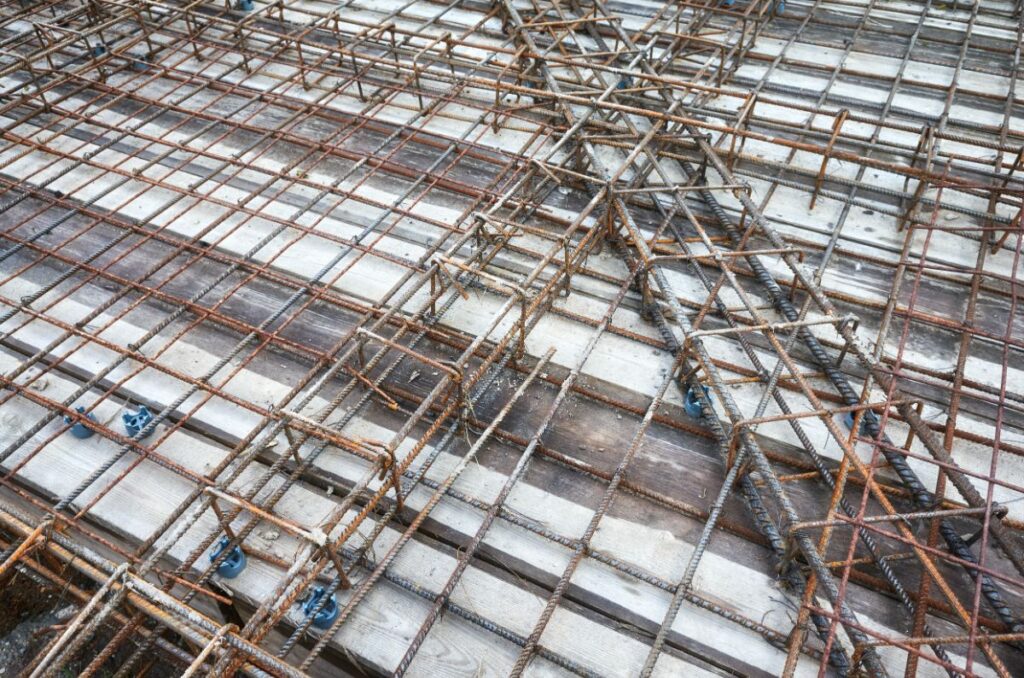
What Risks Come with Sourcing from Unverified Suppliers?
Substandard rebar from questionable sources may contain improper alloy compositions, inadequate protective coatings, or dimensional irregularities that aren’t immediately visible. These defects can result in premature corrosion, reduced load-bearing capacity, and potential structural failures years after construction completion. The cost of remediation work far exceeds any initial savings from choosing cheaper, unverified suppliers.
Which Certifications Indicate Manufacturer Credibility?
Look for manufacturers holding ISO 9001 quality management certification, which demonstrates commitment to consistent production standards. Industry-specific certifications like CE marking for European markets or CARES approval in the UK provide additional assurance. Manufacturers who openly share their testing protocols and facility inspection reports typically demonstrate higher manufacturer reliability than those who avoid transparency about their processes.
How Do Established Manufacturers Support Long-term Project Success?
Reputable suppliers maintain comprehensive technical support teams who can advise on appropriate rebar selection for specific environmental conditions and load requirements. They offer material traceability.
Conclusion
Choosing the right reinforcement material is crucial for the durability, safety, and cost-effectiveness of your project. The top 3 reasons to choose durable rebar for your next project are its ability to resist corrosion, its superior strength properties, and the long-term cost savings it offers.
Every construction project comes with its own set of challenges. Take a close look at your environmental conditions—will the structure be exposed to saltwater, chemicals, or extreme weather? Based on these factors, select the appropriate type of rebar: galvanised for moderate protection, stainless steel for harsh environments, or carbon steel for flexibility and strength.
When budgeting for your project, remember that costs go beyond just the initial purchase price. Consider the following benefits of using durable rebar over the entire lifespan of the structure:
- Reduced maintenance interventions
- Lower replacement costs
- Extended structural integrity
- Decreased downtime for repairs
The choice of reinforcement material not only affects the immediate construction results but also impacts the performance of the structure for decades to come. Work with certified manufacturers who can provide material certifications and testing documentation. Ask for detailed specifications that align with your project’s load requirements and environmental exposures.
Investing in high-quality rebar will lead to structures that can withstand the test of time, weather, and stress. Assess your specific needs in relation to the three key advantages—corrosion resistance, strength characteristics, and lifecycle economics—to make an informed decision that aligns with your project’s objectives. By prioritising quality reinforcement today, you are ensuring reliable structures for tomorrow.
FAQs (Frequently Asked Questions)
What is durable rebar and why is it important for construction projects?
Durable rebar refers to high-quality reinforcement bars designed to enhance the strength and longevity of concrete structures. Choosing the right durable rebar ensures project strength, durability, and reduces maintenance needs over time.
How does corrosion resistance in durable rebar benefit construction projects?
Corrosion resistance in durable rebar, such as galvanized or stainless steel types with protective coatings, prevents rust and degradation caused by moisture, saltwater, and chemicals. This extends the lifespan of structures and reduces maintenance costs significantly.
In what ways does durable rebar provide strength, flexibility, and cost-effectiveness?
Durable rebars offer superior tensile strength to withstand heavy loads and earthquakes while maintaining flexibility for easier handling and installation. Although some types like stainless steel may have higher upfront costs, their corrosion resistance lowers repair frequency, making them a cost-effective long-term investment.
How do durable rebars support sustainable construction practices?
Durable rebars often use recyclable materials and contribute to eco-friendly building by reducing energy consumption through less frequent repairs or replacements. Their longevity also minimises construction waste, promoting sustainable construction methods.
What factors should be considered when choosing the right type of durable rebar for a project?
Key factors include assessing environmental exposure such as moisture levels and chemical presence. Selecting between galvanized, stainless steel, or carbon steel rebars depends on these conditions to ensure optimal corrosion resistance and structural integrity.
Why is sourcing durable rebar from reliable manufacturers crucial?
Sourcing from reputable manufacturers guarantees quality reinforcement materials that meet industry standards. Reliable suppliers ensure consistency in material performance, which is vital for the safety and durability of construction projects.
See more about: The Benefits of Using temporary scaffolding for Quick Builds