
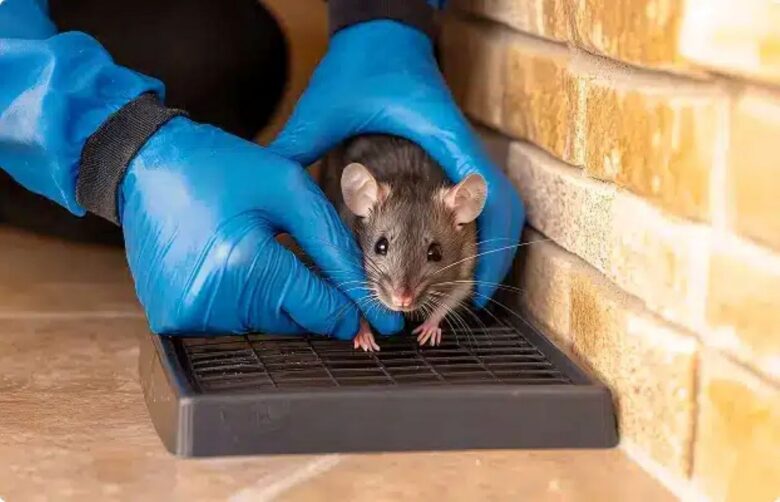
This guide explains what tends to work best for Sydney households, and how to choose the right approach based on where rats are active and why they are there. What’s the fastest way to reduce rat activity in a Sydney home? The fastest way is to confirm where rats are travelling, then deploy the right control method in those exact runways. Most households see the quickest drop in activity when rat pest control Sydney strategies—such as traps or bait stations—are placed along walls, roof void entry points, and near known feeding spots. Speed comes from accuracy. With rat pest control Sydney, proper placement matters; if it’s based on guesswork, even strong products can underperform. What’s the safest first step before using traps or poison? The safest first step is a thorough inspection and a simple risk check of the household. They should identify whether children, pets, or wildlife have access to likely treatment areas, and whether rats are nesting in roof voids, subfloors, garages, or wall cavities. They should also document signs such as droppings, rub marks, gnawing, and scratching noises by time of day. This prevents over treating the wrong areas. What’s the best method overall: trapping, baiting, or proofing? Proofing is the best long term method, but it will not remove the rats already inside on its own. Trapping or baiting reduces the active population, while proofing stops reinfestation. In most Sydney homes, the most effective plan is “remove, then seal”. If they only trap or bait without sealing gaps, new rats often replace the old ones. If they only seal without removing, rats may remain in roof voids and wall cavities. What trapping method works best for most Sydney households? High quality snap traps usually work best for most homes because they are fast, inexpensive, and effective when placed correctly. They should be set along walls, behind appliances, in roof void access zones, and anywhere rats naturally hug edges. Placement matters more than bait. Peanut butter, dried fruit, or a small piece of soft dog food often works, but only if traps sit directly on a runway. They should avoid scattering traps randomly in open areas. When is baiting the better choice than trapping? Baiting can be better when rats are entrenched, trap shy, or active in hard to reach voids where multiple traps are impractical. It can also help when activity is spread across several zones, such as a garage plus roof void plus subfloor. Baiting should be done with tamper resistant bait stations, especially in Sydney suburbs with pets, children, and native wildlife. Loose baits left out are a common cause of avoidable risk. What are the biggest risks of using rat poison in Sydney homes? The main risks are non target exposure and odour from a carcass in an inaccessible void. There is also the risk of secondary poisoning if pets or wildlife consume affected rodents, depending on the product used and the situation. If they choose baiting, they should treat it as a controlled system, not a casual DIY scatter approach. A planned station layout, regular checks, and correct disposal reduce most preventable issues. What proofing and exclusion steps stop rats from coming back? The key is sealing every entry point that allows access from fences, trees, pipes, or the ground into the roof or wall cavities. Rats can squeeze through surprisingly small gaps, so homes need careful attention to details rather than one obvious hole. Common Sydney proofing targets include gaps under roof tiles, broken eaves, loose flashing, gaps around pipes and air conditioning lines, weep holes that need appropriate protection, subfloor vents, garage door edges, and gaps around external doors. Durable materials matter, such as metal mesh and proper sealants, because rats chew through weak fillers. What hygiene and yard changes make the biggest difference? They should remove easy food and nesting sources, because exclusion is harder when the yard is a buffet. The biggest wins usually come from securing bins with tight lids, cleaning BBQ areas, removing fallen fruit, reducing bird seed spill, and storing pet food in sealed containers. Outdoor clutter is another driver. Piles of timber, stacked pots, and dense ground cover often become nesting zones. Trimming branches away from roofs and reducing vine access can also cut roof entry attempts. What should Sydney homeowners do if rats are in the roof? They should treat roof activity as both a removal and entry problem. Traps or bait stations may be needed in the roof void, but the long term fix is sealing roofline gaps, repairing broken tiles, and addressing access points around fascia and eaves. They should also avoid blocking rats in without a plan. If they seal first while rats are still active, they may end up with trapped animals in voids, noise, and smell. A staged approach is usually cleaner. What’s the best way to choose between DIY and professional rat control? DIY can work when activity is light, entry points are obvious, and the household can safely place and monitor traps or stations. Professional help tends to be the better option when activity is heavy, rats are in roof voids or wall cavities, there are pets or children at risk, or the home has multiple entry points that are hard to locate. A good operator typically focuses on inspection, a written plan, exclusion advice, and follow up. If they only offer a quick bait drop with no proofing guidance, results often fail to hold. See Also : Addressing pest issues including rats, mice, pigeons and bees What’s a practical “best method” plan most Sydney homes can follow? Most Sydney homes get the best results with a four step approach: inspect, reduce, exclude, then monitor. They should start by mapping activity and identifying access points, then use targeted snap traps or secured bait stations to reduce numbers quickly. Next, they should seal entry points with durable materials and remove food sources that attract new rats. Finally, they should monitor for a few weeks and adjust
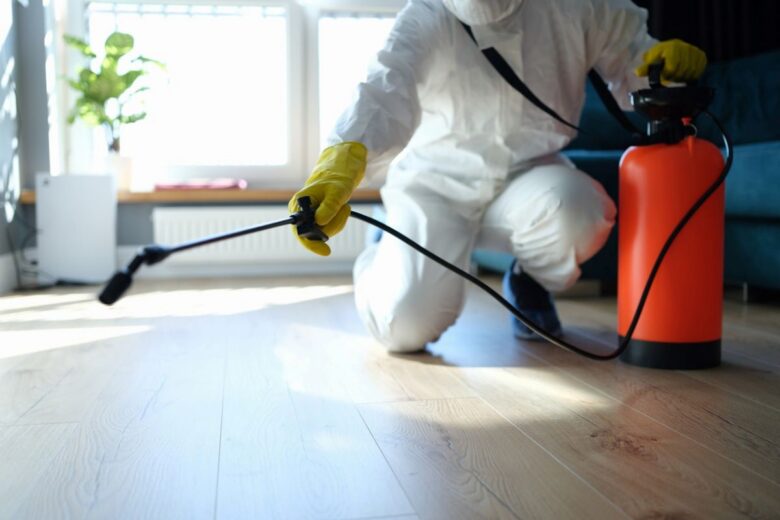
If they are unsure whether it is time to call a professional, these five signs usually make the answer clear. Are there droppings, smear marks, or strange odours appearing indoors? Droppings are one of the clearest indicators that pests are active and returning to the same areas. If they are finding small dark pellets in cupboards, along skirting boards, in the garage, or near pet food, rodents are a strong possibility—and it may be time to consider pest control Inner West services. They might also notice greasy rub marks along walls, musky smells in enclosed spaces, or urine-like odours in cupboards and roof voids. These signs often mean the activity is ongoing, not a one-off visitor, making professional pest control Inner West support important for effective treatment. Can they hear scratching, gnawing, or movement in walls or the roof at night? Noises at night often point to rodents or possums moving through roof spaces and wall cavities. If they hear scratching, scurrying, or repeated tapping sounds after dark, something is likely nesting above the ceiling or behind internal walls. They should also watch for gnaw marks on wiring, stored items, or timber edges. Beyond the nuisance, gnawing can create fire risks and property damage, which is why this sign usually warrants fast action. Are there bite marks on timber, chewed wiring, or damaged insulation? Physical damage is often what turns a “maybe” into a definite pest control issue. If they find chewed cable sheathing, shredded insulation, torn cardboard, or damaged stored goods, pests are using the property as a regular habitat. Termites are a special concern in timber-heavy areas. If they see timber that sounds hollow when tapped, doors that suddenly stick, or fine mud-like tubes on walls and piers, they should treat it as urgent and organise a professional inspection quickly. Are ants, cockroaches, or spiders showing up repeatedly in the same areas? Seeing one insect is not always a problem. Seeing the same pests repeatedly in kitchens, bathrooms, or laundry zones usually is. If they are cleaning regularly but still finding ants trailing to food sources, cockroaches under sinks, or spiders rebuilding webs in the same corners, there may be a nest or entry point nearby. They should also pay attention to activity after rain or heatwaves. Changes in weather can push pests indoors, and repeated appearances often mean the home is providing water, warmth, and shelter. Read more about Hills Guardian Pest Control. Are there nests, mud tubes, or swarmers around the property? Visible nesting materials or structural evidence is a strong sign that pests have established themselves. If they find paper-like wasp nests under eaves, rodent nesting in storage areas, or mud tubes along foundations, pests are not just passing through. Termite swarmers are another key warning. If they notice winged insects indoors near windows, or piles of shed wings on sills and floors, it can indicate a nearby colony. At that point, delaying professional help can increase the risk of costly repairs. What should they do if they notice one or more of these signs? They should assume the problem is active and likely growing, then arrange an inspection with a local professional. Quick action usually reduces damage, lowers treatment costs, and prevents pests from spreading to harder-to-reach areas. If they want to minimise risk while waiting, they can secure food in sealed containers, fix obvious moisture issues, and reduce clutter where pests hide. Still, the most reliable next step is booking Pest Control West Pennant Hills to identify the pest correctly and treat the source, not just the symptoms. Related : What’s the Best Method for Rat Pest Control Sydney Homes? FAQs (Frequently Asked Questions) What are common signs that indicate a pest infestation in West Pennant Hills homes or businesses? Common signs include droppings, smear marks, strange odours indoors, scratching or gnawing noises at night in walls or roofs, bite marks on timber or chewed wiring, repeated appearances of ants, cockroaches, or spiders in the same areas, and visible nests, mud tubes, or termite swarmers around the property. Why is it important to act quickly when noticing signs of pests like rodents or termites? Quick action helps reduce property damage, lowers treatment costs, and prevents pests from spreading to harder-to-reach areas. Delaying professional help can increase risks such as fire hazards from gnawed wiring and costly repairs due to termite damage. How can I identify if rodents are active inside my home? Look for small dark pellets (droppings) in cupboards, along skirting boards, near pet food or in garages. Also watch for greasy rub marks on walls, musky smells in enclosed spaces, and urine-like odours in cupboards or roof voids indicating ongoing rodent activity. What should I do if I notice termite-related signs like hollow-sounding timber or mud tubes? These are urgent indicators of termite infestation. You should organise a professional inspection promptly to prevent extensive timber damage and costly repairs. Signs include hollow sounds when tapping timber, doors sticking suddenly, and fine mud-like tubes on walls and piers. Are repeated sightings of ants, cockroaches, or spiders a cause for concern? Yes. Repeated appearances often mean there is a nest or entry point nearby. These pests seek water, warmth, and shelter especially after rain or heatwaves. Even with regular cleaning, persistent pest sightings suggest an active infestation requiring professional assessment. What immediate steps can I take while waiting for professional pest control services? You can minimise risk by securing food in sealed containers, fixing obvious moisture issues to reduce water sources for pests, and decluttering areas where pests might hide. However, the most reliable step is booking a local pest control service like Pest Control West Pennant Hills to accurately identify and treat the problem at its source.