

A Sydney buyers agent is basically paid to live inside the market. Not just browsing the portals. They are talking to selling agents every week, tracking stock levels suburb by suburb, and noticing patterns before they become obvious. And yes, a Sydney buyers agent can often get eyes on properties before they go live, because they know who to ask, and what to ask for. What does “before they hit the market” actually mean? It usually means the property is not on Domain or realestate.com.au yet. No public listing. No open home times. Sometimes no professional photos even. A Sydney buyers agent may see these properties in a few common “pre market” phases: the vendor has signed with an agent but the campaign has not launched, the agent is doing quiet buyer checks before spending on marketing, or the vendor wants a low fuss sale and is happy with the right price and terms. This is where a Sydney buyers agent earns their keep, because they can move quickly and cleanly when something suitable appears. How does a Sydney buyers agent build relationships with selling agents? Selling agents have a simple problem. They need good buyers who will not waste time. A Sydney buyers agent can become valuable to them, because they can bring qualified, finance ready clients and reduce back and forth. Over time, a Sydney buyers agent gets remembered as someone who makes deals easier. That can mean early calls, quiet texts, and “I have something coming up” conversations that never make it to the public. And it is not just one agent. A Sydney buyers agent keeps a web of contacts across multiple agencies, suburbs, and price brackets, so they are not relying on luck. Read more about Real Estate Agents. How do buyers’ briefs and clarity help access off-market deals? This part gets missed. A Sydney buyers’ agent cannot chase everything. The best off-market opportunities tend to go to the clearest briefs first because selling agents want to match a property with a likely buyer quickly. When a Sydney buyers’ agent has a tight brief, they can respond instantly. Bedrooms, land size, school catchments, parking needs, renovation tolerance, must-haves and deal breakers. It sounds basic, but this is what turns a vague “keep an eye out” into an actual pre-market match. Where does a Sydney buyers’ agent actually source off-market properties? A lot of it is human contact, but it is not only that. It is also systems, constant checking, and knowing where “hidden” listings appear first. Here is the typical mix a Sydney buyers’ agent leans on: That is the one bullet list, but each of those is a channel that can produce real homes. Not theory. A Sydney buyers’ agent just has more lines in the water than a normal buyer. How does a Sydney buyers agent use local knowledge to spot early signals? This is the less glamorous part. A Sydney buyers agent pays attention to tiny signals: renovation works finishing up, a lawn suddenly getting tidied weekly, a neighbour mentioning someone is downsizing, or a building where multiple owners are considering selling at the same time. They also know what “should” be selling in an area and what is missing. If a suburb usually has three family homes a week and suddenly has none, a Sydney buyers agent will push harder on agent calls because stock is likely being held back for a coordinated launch or being drip-fed privately. How do databases and tech tools help a Sydney buyers agent get ahead? Portals are late. By the time a listing is live, thousands of people can see it. A Sydney buyers agent often works earlier than that, using agent CRMs, internal lists, and direct comms, but also using alerts and data tools to catch movement before it becomes obvious. Things like DA applications, auction cancellations, listing edits, price guide changes, and suburb supply trends. Tech does not replace relationships; it supports them. It helps a Sydney buyers agent know where to focus the human effort. Why would a seller choose an off-market sale at all? Not every seller wants a Saturday parade of strangers. Some are dealing with separation, tenants, health issues, or just privacy. Others do not want to spend on styling and marketing if they can get a price they are happy with. A Sydney buyers agent understands those motivations and can present an offer that fits the seller’s situation, not just the number: short settlement, long settlement, flexible access, clean conditions. Sometimes that is what gets the deal done before it becomes a public competition. What happens once a Sydney buyers agent finds a pre-market property? This is where speed matters, but so does restraint. A Sydney buyers agent will usually inspect quickly, run comparable sales, check the street and zoning, and pressure test the price. Then they will advise whether it is worth moving now or waiting. They will also coordinate building and pest inspections, strata review if relevant, and negotiate terms. The goal is not just to buy early. It is to buy well. A Sydney buyers agent is supposed to protect the buyer from overpaying in the excitement of getting something “exclusive”. Is it always better to buy before a property is advertised? No. Sometimes pre-market is just a teaser, priced ambitiously. Or the property is being floated to see what offers come in before a proper campaign sets a clearer market price. A Sydney buyers agent will usually weigh up the trade-off. Pay a fair number now for certainty and less competition, or wait for the campaign and risk bidding pressure but gain better market feedback. There is no universal answer. That is why the advice matters. How can buyers improve their chances of getting these opportunities? This part is straightforward, even if it is not easy. Buyers need to be ready. Finance pre-approval, clear decision makers, and quick access for inspections. A Sydney buyers agent can open doors, but they cannot force a


This is where the Eastern Suburbs property market starts to feel less like a normal purchase and more like a competitive sport. And it is exactly why a buyer’s agent pays for itself, because the cost of getting it wrong here can be massive. Overpaying. Buying the wrong building. Missing out on the best opportunities. Or wasting months chasing homes that were never really available to them in the first place. Below are five reasons the Eastern Suburbs property market is where a buyer’s agent pays for itself, not in theory, but in the messy real world. Why is the Eastern Suburbs property market so hard to “buy right” without help? The Eastern Suburbs property market is not just expensive. It is nuanced. Two properties on the same street can sell for very different prices for reasons most buyers will not spot until it is too late. Aspect, parking, strata health, noise, development nearby, floor plan efficiency, even the feel of a building’s owner mix. All of it matters. Buyers often come in thinking the hardest part is finding something they like. But the harder part is knowing what they are really looking at. The Eastern Suburbs property market rewards people who have local knowledge, data discipline, and a clear strategy when emotions are running high. Working with a buyers agent eastern suburbs can reduce expensive unknowns by providing expert guidance, objective advice, and a more informed purchasing strategy. How does access change outcomes in the Eastern Suburbs property market? A big part of the Eastern Suburbs property market happens quietly. Some properties trade before they ever hit the major portals. Others are shown to a short list first. Others are technically listed but priced, photographed, or described in a way that hides what they are, which means only the switched-on buyers notice. This is where a buyer’s agent pays for itself. They can get eyes on opportunities earlier, ask the right questions quicker, and move with confidence when the timing is tight. In the Eastern Suburbs property market, speed matters, but only if it is the right kind of speed. Not rushing blindly, more like being ready. There is also the simple reality that agents respond differently when they know they are dealing with someone who transacts regularly and understands the process. That does not mean special treatment in a dodgy way. It just means clearer conversations, faster follow-up, and fewer games. Why do negotiations feel different in the Eastern Suburbs property market? In many areas, negotiation can be slow and conversational. In the Eastern Suburbs property market, it can be abrupt. Multiple offers. Compressed timeframes. Vendors who are not desperate. Buyers who fall in love and throw logic out the window. A buyer’s agent pays for itself by keeping the negotiation grounded. They can read the temperature better, not just the price guide, but the vendor’s expectations, the agent’s style, the competing buyer mix, and where the leverage actually is. Sometimes that means pushing hard. Sometimes it means waiting and letting the other side overplay their hand. Sometimes it means walking away, which is the hardest move for most buyers to make. And in the Eastern Suburbs property market, walking away from the wrong property can be worth more than “winning” the wrong deal. Other Resources : Design a buying pathway | Digital NSW What hidden risks are common in the Eastern Suburbs property market? A lot of buyers focus on the obvious things: the kitchen, the view, the walk to the beach, the school catchment area. All valid. But the Eastern Suburbs property market has plenty of quiet traps that only show up in the paperwork or in the building itself. A buyer’s agent pays for itself by knowing where to look and who to bring in before the buyer commits. And yes, buyers can do this themselves, but most do not know what is normal versus what is a red flag until they have already signed. Common risk areas can include: In the Eastern Suburbs property market, the stakes are high, so the cost of a mistake is not just annoying; it is expensive. How does a buyer’s agent pay for itself through pricing and due diligence? This is the part people want to reduce to a simple equation. If they save £X on price, the fee is covered. Sometimes it does work like that. But in the Eastern Suburbs property market, the more powerful value is often in what is avoided. Overpaying is the obvious one. But there is also the cost of missing out repeatedly and becoming desperate, then paying over the odds because they are exhausted. Or buying a compromised property and spending years trying to “make it work”. Or selling again sooner than planned and incurring stamp duty, selling costs, and lost time. A buyer’s agent pays for itself by getting the buyer closer to fair value, yes, but also by improving decision quality. They bring structure to the process. They compare genuinely comparable sales. They adjust for micro location. They call out when a property is being marketed in a way that inflates perceived value. They push for proper checks. They keep emotion from becoming the strategy. And again, because the Eastern Suburbs property market moves quickly, that structure is not a luxury; it is protection. Chek out more about how does a Sydney buyers agent find properties before they hit the market? Why does clarity matter more than ever in the Eastern Suburbs property market? Most buyers think they want “more options”. What they actually need is clarity. Clear priorities. Clear trade-offs. Clear timing. Clear understanding of what is realistic. The Eastern Suburbs property market can flood buyers with choice on paper, but not in reality. There might be 30 listings, but only three that truly fit their needs, and only one that is actually good value. A buyer’s agent pays for itself by filtering the noise and creating momentum in the right direction. That might mean advising them

This guide explains what tends to work best for Sydney households, and how to choose the right approach based on where rats are active and why they are there. What’s the fastest way to reduce rat activity in a Sydney home? The fastest way is to confirm where rats are travelling, then deploy the right control method in those exact runways. Most households see the quickest drop in activity when rat pest control Sydney strategies—such as traps or bait stations—are placed along walls, roof void entry points, and near known feeding spots. Speed comes from accuracy. With rat pest control Sydney, proper placement matters; if it’s based on guesswork, even strong products can underperform. What’s the safest first step before using traps or poison? The safest first step is a thorough inspection and a simple risk check of the household. They should identify whether children, pets, or wildlife have access to likely treatment areas, and whether rats are nesting in roof voids, subfloors, garages, or wall cavities. They should also document signs such as droppings, rub marks, gnawing, and scratching noises by time of day. This prevents over treating the wrong areas. What’s the best method overall: trapping, baiting, or proofing? Proofing is the best long term method, but it will not remove the rats already inside on its own. Trapping or baiting reduces the active population, while proofing stops reinfestation. In most Sydney homes, the most effective plan is “remove, then seal”. If they only trap or bait without sealing gaps, new rats often replace the old ones. If they only seal without removing, rats may remain in roof voids and wall cavities. What trapping method works best for most Sydney households? High quality snap traps usually work best for most homes because they are fast, inexpensive, and effective when placed correctly. They should be set along walls, behind appliances, in roof void access zones, and anywhere rats naturally hug edges. Placement matters more than bait. Peanut butter, dried fruit, or a small piece of soft dog food often works, but only if traps sit directly on a runway. They should avoid scattering traps randomly in open areas. When is baiting the better choice than trapping? Baiting can be better when rats are entrenched, trap shy, or active in hard to reach voids where multiple traps are impractical. It can also help when activity is spread across several zones, such as a garage plus roof void plus subfloor. Baiting should be done with tamper resistant bait stations, especially in Sydney suburbs with pets, children, and native wildlife. Loose baits left out are a common cause of avoidable risk. What are the biggest risks of using rat poison in Sydney homes? The main risks are non target exposure and odour from a carcass in an inaccessible void. There is also the risk of secondary poisoning if pets or wildlife consume affected rodents, depending on the product used and the situation. If they choose baiting, they should treat it as a controlled system, not a casual DIY scatter approach. A planned station layout, regular checks, and correct disposal reduce most preventable issues. What proofing and exclusion steps stop rats from coming back? The key is sealing every entry point that allows access from fences, trees, pipes, or the ground into the roof or wall cavities. Rats can squeeze through surprisingly small gaps, so homes need careful attention to details rather than one obvious hole. Common Sydney proofing targets include gaps under roof tiles, broken eaves, loose flashing, gaps around pipes and air conditioning lines, weep holes that need appropriate protection, subfloor vents, garage door edges, and gaps around external doors. Durable materials matter, such as metal mesh and proper sealants, because rats chew through weak fillers. What hygiene and yard changes make the biggest difference? They should remove easy food and nesting sources, because exclusion is harder when the yard is a buffet. The biggest wins usually come from securing bins with tight lids, cleaning BBQ areas, removing fallen fruit, reducing bird seed spill, and storing pet food in sealed containers. Outdoor clutter is another driver. Piles of timber, stacked pots, and dense ground cover often become nesting zones. Trimming branches away from roofs and reducing vine access can also cut roof entry attempts. What should Sydney homeowners do if rats are in the roof? They should treat roof activity as both a removal and entry problem. Traps or bait stations may be needed in the roof void, but the long term fix is sealing roofline gaps, repairing broken tiles, and addressing access points around fascia and eaves. They should also avoid blocking rats in without a plan. If they seal first while rats are still active, they may end up with trapped animals in voids, noise, and smell. A staged approach is usually cleaner. What’s the best way to choose between DIY and professional rat control? DIY can work when activity is light, entry points are obvious, and the household can safely place and monitor traps or stations. Professional help tends to be the better option when activity is heavy, rats are in roof voids or wall cavities, there are pets or children at risk, or the home has multiple entry points that are hard to locate. A good operator typically focuses on inspection, a written plan, exclusion advice, and follow up. If they only offer a quick bait drop with no proofing guidance, results often fail to hold. See Also : Addressing pest issues including rats, mice, pigeons and bees What’s a practical “best method” plan most Sydney homes can follow? Most Sydney homes get the best results with a four step approach: inspect, reduce, exclude, then monitor. They should start by mapping activity and identifying access points, then use targeted snap traps or secured bait stations to reduce numbers quickly. Next, they should seal entry points with durable materials and remove food sources that attract new rats. Finally, they should monitor for a few weeks and adjust

If they are unsure whether it is time to call a professional, these five signs usually make the answer clear. Are there droppings, smear marks, or strange odours appearing indoors? Droppings are one of the clearest indicators that pests are active and returning to the same areas. If they are finding small dark pellets in cupboards, along skirting boards, in the garage, or near pet food, rodents are a strong possibility—and it may be time to consider pest control Inner West services. They might also notice greasy rub marks along walls, musky smells in enclosed spaces, or urine-like odours in cupboards and roof voids. These signs often mean the activity is ongoing, not a one-off visitor, making professional pest control Inner West support important for effective treatment. Can they hear scratching, gnawing, or movement in walls or the roof at night? Noises at night often point to rodents or possums moving through roof spaces and wall cavities. If they hear scratching, scurrying, or repeated tapping sounds after dark, something is likely nesting above the ceiling or behind internal walls. They should also watch for gnaw marks on wiring, stored items, or timber edges. Beyond the nuisance, gnawing can create fire risks and property damage, which is why this sign usually warrants fast action. Are there bite marks on timber, chewed wiring, or damaged insulation? Physical damage is often what turns a “maybe” into a definite pest control issue. If they find chewed cable sheathing, shredded insulation, torn cardboard, or damaged stored goods, pests are using the property as a regular habitat. Termites are a special concern in timber-heavy areas. If they see timber that sounds hollow when tapped, doors that suddenly stick, or fine mud-like tubes on walls and piers, they should treat it as urgent and organise a professional inspection quickly. Are ants, cockroaches, or spiders showing up repeatedly in the same areas? Seeing one insect is not always a problem. Seeing the same pests repeatedly in kitchens, bathrooms, or laundry zones usually is. If they are cleaning regularly but still finding ants trailing to food sources, cockroaches under sinks, or spiders rebuilding webs in the same corners, there may be a nest or entry point nearby. They should also pay attention to activity after rain or heatwaves. Changes in weather can push pests indoors, and repeated appearances often mean the home is providing water, warmth, and shelter. Read more about Hills Guardian Pest Control. Are there nests, mud tubes, or swarmers around the property? Visible nesting materials or structural evidence is a strong sign that pests have established themselves. If they find paper-like wasp nests under eaves, rodent nesting in storage areas, or mud tubes along foundations, pests are not just passing through. Termite swarmers are another key warning. If they notice winged insects indoors near windows, or piles of shed wings on sills and floors, it can indicate a nearby colony. At that point, delaying professional help can increase the risk of costly repairs. What should they do if they notice one or more of these signs? They should assume the problem is active and likely growing, then arrange an inspection with a local professional. Quick action usually reduces damage, lowers treatment costs, and prevents pests from spreading to harder-to-reach areas. If they want to minimise risk while waiting, they can secure food in sealed containers, fix obvious moisture issues, and reduce clutter where pests hide. Still, the most reliable next step is booking Pest Control West Pennant Hills to identify the pest correctly and treat the source, not just the symptoms. Related : What’s the Best Method for Rat Pest Control Sydney Homes? FAQs (Frequently Asked Questions) What are common signs that indicate a pest infestation in West Pennant Hills homes or businesses? Common signs include droppings, smear marks, strange odours indoors, scratching or gnawing noises at night in walls or roofs, bite marks on timber or chewed wiring, repeated appearances of ants, cockroaches, or spiders in the same areas, and visible nests, mud tubes, or termite swarmers around the property. Why is it important to act quickly when noticing signs of pests like rodents or termites? Quick action helps reduce property damage, lowers treatment costs, and prevents pests from spreading to harder-to-reach areas. Delaying professional help can increase risks such as fire hazards from gnawed wiring and costly repairs due to termite damage. How can I identify if rodents are active inside my home? Look for small dark pellets (droppings) in cupboards, along skirting boards, near pet food or in garages. Also watch for greasy rub marks on walls, musky smells in enclosed spaces, and urine-like odours in cupboards or roof voids indicating ongoing rodent activity. What should I do if I notice termite-related signs like hollow-sounding timber or mud tubes? These are urgent indicators of termite infestation. You should organise a professional inspection promptly to prevent extensive timber damage and costly repairs. Signs include hollow sounds when tapping timber, doors sticking suddenly, and fine mud-like tubes on walls and piers. Are repeated sightings of ants, cockroaches, or spiders a cause for concern? Yes. Repeated appearances often mean there is a nest or entry point nearby. These pests seek water, warmth, and shelter especially after rain or heatwaves. Even with regular cleaning, persistent pest sightings suggest an active infestation requiring professional assessment. What immediate steps can I take while waiting for professional pest control services? You can minimise risk by securing food in sealed containers, fixing obvious moisture issues to reduce water sources for pests, and decluttering areas where pests might hide. However, the most reliable step is booking a local pest control service like Pest Control West Pennant Hills to accurately identify and treat the problem at its source.

Tamarama is small, tightly held, and emotionally driven. That combination makes even “normal” market conditions feel intense. Why is Tamarama property supply so limited? Supply is limited in Tamarama because the suburb is physically small and many owners hold for the long term. Fewer streets, fewer dwellings, and fewer reasons to sell mean fewer opportunities to buy. Working with a buyers agency Tamarama helps buyers move quickly and strategically. When a suitable home does hit the market, it often attracts multiple motivated parties at once, compressing timelines and pushing negotiations to the edge. Why do listings in Tamarama attract so many buyers? Listings attract strong attention because Tamarama offers a beachside lifestyle close to Bondi Junction and the Sydney CBD. Many buyers want the location, but only a handful can actually buy there at any time. Demand also comes from different groups at once: local upsizers, downsizers who want to stay coastal, and buyers relocating from other prestige suburbs. When several buyer types compete for the same property, prices and terms tighten. How do auctions and off-market deals shape competition? Competition is amplified because auctions are common and off-market deals are frequent. At auction, buyers face transparent competition and emotional momentum, which can pull prices beyond “fair value” in seconds. Off-market is different but just as challenging. Buyers may only get one inspection window, limited comparable sales, and a short deadline to present their best terms. A buyers agency often focuses on improving access and readiness for both pathways. Why does pricing feel unpredictable in Tamarama? Pricing can feel unpredictable because two similar homes may sell very differently based on orientation, privacy, parking, noise, and renovation quality. In a tightly held suburb, each sale can be its own category. Small details move the needle. A better layout, a quiet aspect, or a slightly wider frontage can change buyer behaviour, which then changes the final result. What hidden factors do buyers often underestimate? Many buyers underestimate constraints that only become obvious after deeper due diligence. In Tamarama, common pressure points include building condition, strata complexity in boutique blocks, and renovation risk. They may also overlook practical liveability factors such as access, stairs, storage, sunlight, and street parking. These factors matter because they influence resale demand and how long a property will remain “special” to the next buyer. How does a buyers agency in Tamarama help buyers compete? A buyers agency helps by improving three things: access, accuracy, and execution. They typically build local agent relationships to hear about suitable homes early, including pre-market and off-market options. They also help purchasers understand value using relevant comparables, adjust for property-specific features, and avoid paying a premium for the wrong reasons. Once a target is clear, they keep the process tight: strategy, conditions, and negotiation are handled with speed and structure. You may like to visit https://www.nsw.gov.au/housing-and-construction/buying-and-selling-property/buying-property-nsw/using-a-real-estate-agent-to-buy-a-property to learn more about using a real estate agent to buy a property What preparation gives buyers the best chance of success? The best chance comes from being ready before the right property appears. That usually means finance fully assessed, deposit accessible, and decision-makers aligned on must-haves versus nice-to-haves. They also benefit from a clear plan for auction or private treaty: a walk-away price, a preferred settlement range, and a shortlist of non-negotiable contract conditions. In Tamarama, the “best” buyer is often the most prepared buyer, not just the highest one. When should buyers avoid bidding wars? They should avoid bidding wars when the price is being driven by emotion rather than fundamentals, or when the property has downsides the market is temporarily ignoring. Overpaying is easiest when buyers anchor to the lifestyle and forget the numbers. For a deeper understanding of how future infrastructure and local changes affect pricing, see our guide on Buyers Agent Sydenham: How Upcoming Developments Influence Property Value. A better approach is to compete hard only for properties that genuinely fit their criteria and resale profile. When the home is wrong, walking away protects both capital and future options. What is the takeaway for anyone trying to buy in Tamarama? Tamarama is competitive because scarcity meets lifestyle demand, and transactions move fast through auctions and discreet off-market channels. Buyers who win tend to have early access, strong due diligence, and a disciplined strategy on price and terms. A buyers agency in Tamarama can reduce uncertainty by guiding value, improving access, and running negotiations with speed. In a suburb where chances are limited, the edge often comes from preparation and execution. FAQs (Frequently Asked Questions) Why is property buying in Tamarama so competitive? Buying in Tamarama is competitive due to the suburb’s limited stock, strong local demand, and the need for buyers to make fast, clean offers. Tamarama’s small size, tightly held properties, and emotionally driven market conditions intensify competition even during normal market periods. What causes the limited property supply in Tamarama? Tamarama’s limited supply stems from its physically small area and many long-term owners who rarely sell. With fewer streets and dwellings, there are naturally fewer opportunities to buy. When suitable homes do appear, they attract multiple motivated buyers simultaneously, compressing timelines and accelerating negotiations. How do auctions and off-market deals impact competition in Tamarama? Auctions create transparent competition and emotional momentum that can quickly push prices beyond fair value. Off-market deals present challenges like limited inspection windows and tight deadlines to submit offers. Both pathways amplify competition, making access and readiness crucial—areas where a buyers agency can provide significant support. Why does pricing feel unpredictable for similar homes in Tamarama? Pricing varies because small differences—such as orientation, privacy, parking availability, noise levels, and renovation quality—can significantly influence buyer behavior. In a tightly held suburb like Tamarama, each sale is unique; factors like layout or street frontage can cause similar homes to sell for very different prices. How can a buyers agency assist purchasers in Tamarama? A buyers agency enhances access by leveraging local agent relationships to identify early or off-market opportunities. They improve accuracy by analyzing relevant comparables and

The core idea is simple. Development can lift demand and liveability, but it can also change a suburb’s risk profile. The best outcomes usually come from buying where improvements are real, funded, and timed well with supply. What counts as an “upcoming development” in Sydenham? Upcoming developments are planned or approved changes that alter access, amenity, employment, or housing supply. They may include transport upgrades, new schools, retail precincts, rezoning, apartment projects, road works, or public realm improvements. A buyers agent Sydenham typically treats “upcoming” as more than a rumour. They look for planning certainty, budget allocation, and realistic delivery timeframes before factoring the impact into an offer. Why do some developments boost property values while others don’t? Developments boost values when they raise convenience and desirability without flooding the market with similar stock. Buyers generally pay more when commute times drop, local services improve, and the area feels safer and easier to live in. Developments disappoint when benefits are already priced in, completion is years away, or supply rises faster than demand. Large volumes of similar apartments, for example, can cap growth for comparable units nearby. How do transport and access upgrades affect Sydenham prices? Transport improvements often have the clearest link to price growth because they expand who can live there and still access key job hubs. If access becomes faster or more reliable, more buyers compete for the same homes. A buyers agent will usually map walkability to stations, bus corridors, and arterial roads, then weigh that against negatives like noise, traffic, and rezoning pressure. Not every “close to transport” pocket feels the same on inspection. How can new retail, dining, and lifestyle precincts change demand? Lifestyle upgrades tend to lift demand because they improve day to day living. When a suburb gains better cafes, shops, gyms, medical services, or family friendly public spaces, the buyer pool often broadens. The effect is rarely instant. A buyers agent often checks whether the precinct is anchored by long term tenants and whether foot traffic is likely to grow. Empty shopfronts and short leases can weaken the “amenity premium.” What impact do schools and community infrastructure have on value? Schools and community assets can raise prices by attracting stable, long term owner occupiers. For many households, access to reputable schooling options is non negotiable, and that demand can support values even in softer markets. A buyers agent usually looks beyond headlines and checks enrolment pressure, zoning boundaries, and nearby alternatives. They also consider childcare, parks, sports facilities, and libraries because these can influence family demand just as strongly. How does rezoning and higher density development influence nearby houses? Rezoning can lift land values where redevelopment becomes feasible, but it can also change the character of a street. Some buyers pay more for future upside, while others avoid areas that may become dominated by construction and increased traffic. A buyers agent typically assesses the likely end product. If a street shifts toward townhouses and apartments, some standalone homes can gain a development-site premium, while neighbouring homes may face overshadowing, parking pressure, and reduced privacy. Buyers Agency Tamarama can help navigate these local market pressures in a suburb where competition is often driven by scarce stock, lifestyle appeal, and redevelopment potential. Why can apartment pipelines soften growth for certain property types? A large pipeline of similar apartments can limit capital growth because buyers have many substitutes. Even if demand rises, oversupply can keep prices and rents from moving as quickly as expected. This does not mean apartments cannot perform well. A buyers agent often focuses on scarcity within the apartment market, such as boutique blocks, larger floorplans, strong owner occupier appeal, and layouts that are hard to replicate in new builds. How can construction disruption and “change risk” affect resale? Construction brings dust, noise, detours, and uncertainty, and that can reduce buyer urgency in the short term. If purchasers think disruption will last years, they may discount what they are willing to pay today. A buyers agent often checks staging and timing. If disruption is short and the finished project is valuable, temporary pain can create opportunity. If works are prolonged or unclear, the discount can persist and harm resale liquidity. What signals suggest a development is “real” rather than marketing hype? The strongest signals are approvals, funding, signed contracts, and visible site activity. Announcements without timelines, budgets, or planning documentation often remain speculative for years. A buyers agent typically reviews planning portals, council strategies, and state infrastructure plans, then compares them to what is happening on the ground. They also watch for “value traps,” where glossy brochures promise transformation that is not yet supported by approvals. See Also : Council launches first-ever Social Strategy to strengthen community wellbeing How can they use upcoming developments to buy smarter in Sydenham? They can buy smarter by targeting locations where amenity and access improvements are likely, but where supply risk is controlled. The goal is to find scarcity that will still matter after projects complete. A buyers agent in Sydenham often narrows this down to three checks: whether the benefit is funded, whether the timeline suits the buyer’s holding period, and whether the property type will remain hard to replace. When those line up, developments tend to support stronger long term value. FAQs (Frequently Asked Questions) What defines an “upcoming development” in Sydenham and how does it impact property buying? Upcoming developments in Sydenham refer to planned or approved changes that affect access, amenities, employment, or housing supply. These can include transport upgrades, new schools, retail precincts, rezoning, apartment projects, road works, or public realm improvements. Buyers agents focus on developments with planning certainty, allocated budgets, and realistic delivery timelines to accurately assess their impact on property values. Why do some developments increase property values in Sydenham while others do not? Developments boost property values when they enhance convenience and desirability without oversaturating the market with similar housing stock. Improvements like reduced commute times, better local services, and increased safety attract buyers willing

Below are seven practical things they should know before they commit. What size air conditioner do they actually need? Most performance issues come from incorrect sizing. If it is too small, it will run constantly and still struggle. If it is too large, it may short cycle, feel clammy, and waste power. They should ask for a proper heat-load style assessment that considers room sizes, insulation, ceiling height, window area, and orientation, not just a rough “square metres” estimate. Should they choose split system or ducted air conditioning? An aircon installation Blacktown split system suits single rooms or specific zones and is often more cost-effective to install. Ducted solutions associated with aircon installation Blacktown projects deliver whole-home climate control, a cleaner aesthetic, and multi-zone functionality, but they generally require higher upfront investment and can lose efficiency if zoning strategies are poorly designed. Homeowners undertaking aircon installation Blacktown services should align the system selection with actual household usage patterns, including which rooms are occupied most frequently and whether internal doors tend to remain open or closed. Matching system capacity and configuration to behavioural realities helps maximise comfort and energy performance over the long term. Where should the indoor and outdoor units be placed? Placement affects comfort, noise, maintenance access, and efficiency. Indoor heads should be positioned to throw air across the space without blasting directly onto beds, desks, or lounges. Outdoor units need airflow and clearance, and they should not be placed where noise will bother neighbours or interrupt sleep. They should confirm the installer’s plan for condensate drainage, wall penetrations, and how the pipe run length may affect performance. What should they know about energy efficiency and running costs? In warm Western Sydney summers, efficiency matters. They should compare models by looking at real efficiency ratings, inverter performance, and whether the system is right-sized for the zones being cooled. They can also lower running costs by choosing sensible set points, using ceiling fans to circulate air, and ensuring the home is sealed and shaded. If they have solar, they may benefit from aligning cooling to daytime generation where possible. Do they need council approval, strata approval, or compliance checks? Most standard split installs do not need council approval, but approvals can come into play in townhouses, apartments, and properties with strata rules. Strata often requires written permission for outdoor unit placement, penetrations, and appearance. They should also ensure the installer is appropriately licensed, follows electrical safety requirements, and provides compliance paperwork where required, including refrigerant handling obligations. What does a good installation quote include? A vague quote often leads to surprises. A solid quote should specify the exact model number, capacity, inclusions, warranty details, and what happens if the install is more complex than expected. They should look for line items such as pipe length allowances, wall brackets or slab, electrical works, condensate management, disposal of the old unit if relevant, and any extra charges for difficult access or longer runs. How can they protect warranties and avoid common mistakes? Warranties usually depend on correct installation and documented servicing. They should keep invoices, compliance certificates, and warranty cards, and confirm who handles warranty call-outs. Common mistakes include choosing capacity based on price alone, placing the outdoor unit where it recirculates hot air, ignoring zoning design on ducted systems, and skipping basic maintenance planning like filter access and periodic cleaning. Conclusion: what should they do next? They should start by deciding which rooms must be cooled, then request a proper sizing recommendation and a detailed written quote. When they treat installation planning as seriously as the unit choice, aircon installation in Blacktown homes is more likely to be quiet, efficient, and problem-free for years. FAQs (Frequently Asked Questions) What size air conditioner do I need for my Blacktown home? Choosing the correct size is crucial. An undersized unit will run constantly and struggle to cool, while an oversized one may short cycle, feel clammy, and waste power. It’s best to request a proper heat-load assessment that considers room sizes, insulation, ceiling height, window area, and orientation rather than relying on rough square metre estimates. Should I choose a split system or ducted air conditioning for my home? Split systems are ideal for single rooms or specific zones and are often cheaper to install. Ducted systems provide whole-home control, cleaner aesthetics, and multiple zones but come with higher upfront costs and can be less efficient if zoning is poorly designed. Match the system choice to your household’s lifestyle, considering which rooms are used most and door habits. Where should indoor and outdoor aircon units be placed for optimal performance? Indoor units should be positioned to distribute air evenly without direct airflow onto beds, desks, or lounge areas, ensuring balanced thermal comfort across the space. Outdoor units require sufficient clearance and unrestricted airflow, and should be installed away from neighbouring properties or bedrooms to reduce noise impact. It is also important to confirm condensate drainage routing, wall penetration locations, and refrigerant pipe run lengths with your installer to maintain system efficiency and long-term reliability. From an efficiency optimisation perspective, following air conditioner energy efficiency best practices for running cost reduction is essential when evaluating both system selection and day-to-day usage. Compare models using verified energy efficiency ratings and inverter performance metrics, ensuring the unit capacity is correctly sized for the specific cooling zones. Operational efficiency can be improved by maintaining sensible temperature set points, using ceiling fans to support air circulation, and ensuring the home is properly sealed and shaded. Where solar power is available, aligning cooling operation with peak daytime generation can further reduce reliance on grid electricity and improve overall cost efficiency. Do I need council or strata approval before installing an air conditioner in Blacktown? Most standard split system installations do not require council approval. However, townhouses, apartments, or properties governed by strata rules may need written permission for outdoor unit placement, wall penetrations, or appearance changes. Always ensure your installer is licensed and complies with electrical safety standards

When an air con starts acting up, most people do the same thing. They wait. They hope it fixes itself. They crank the fan, shut blinds, and pretend the weird noise is “normal”. In the Hills, that habit gets expensive fast. Booking air conditioning service Hills District is one of those boring, practical decisions that pays off in very un-boring ways. Lower energy bills, fewer breakdowns, cleaner air, longer system life. And just less stress when summer hits and the unit suddenly decides it is done. This is a current look at the real benefits, based on how systems are used in Australian homes, and what tends to go wrong when maintenance gets skipped. Are they actually saving money by booking Air Conditioning Service Hills District? Yes. Air Conditioning Service Hills District often reduces running costs straight away because a serviced system does not need to work as hard to hit the same temperature. Dirty filters, clogged coils, and low refrigerant can push the unit to run longer cycles. Longer cycles mean higher electricity usage. In Australian conditions where air con gets hammered in summer, those small inefficiencies stack up fast on the bill. Does Air Conditioning Service Hills District help prevent breakdowns in peak summer? Yes. Air Conditioning Service Hills District lowers the chance of the classic mid-heatwave failure because the technician can spot wear before it turns into a shutdown. Most breakdowns are not random. They are usually small issues ignored for months. Loose electrical connections, drainage blockages, struggling fans, failing capacitors. Servicing is basically early detection, which matters most when every other household is also calling for emergency repairs. Can they get better cooling and comfort from Air Conditioning Service Hills District? Yes. Air Conditioning Service Hills District improves performance because airflow and heat transfer return closer to what the system was designed to deliver. When filters are blocked, vents are dusty, or coils are coated in grime, the unit can feel weak or uneven. Bedrooms might run warm while the living room freezes. A proper service helps systems cool more evenly, cycle more smoothly, and maintain a stable temperature without constantly blasting. Does Air Conditioning Service Hills District improve indoor air quality for Australian homes? Yes. Air Conditioning Service Hills District can noticeably improve indoor air quality, because filters and internal components collect dust, pollen, and general build-up over time. This matters in the Hills where windows are often opened, gardens are common, and seasonal pollen can be heavy. A neglected unit can push stale air and fine particles back into living spaces. A service typically includes filter checks and cleaning, which supports fresher airflow day to day. Will Air Conditioning Service Hills District extend the lifespan of the system? Yes. Air Conditioning Service Hills District helps systems last longer by reducing strain on the compressor, fans, and electrical parts. Air conditioners are not cheap in Australia, and replacement costs can sting. Regular servicing is a way of protecting that investment. When a unit runs cleanly and within normal operating ranges, there is less overheating, less short cycling, and fewer cascading failures that start small then wipe out major components. What actually happens during Air Conditioning Service Hills District, and what should they expect? They should expect a structured inspection and clean, not a two-minute glance. Air Conditioning Service Hills District commonly covers filters, coils, condensate drains, fans, electrical connections, and general system operation. A technician may also check temperature differentials, airflow, and signs of refrigerant issues. If something is off, they should explain it plainly and recommend next steps. It should feel practical and specific, not vague or salesy. How often should they book Air Conditioning Service Hills District in the current climate? Most households should consider Air Conditioning Service Hills District at least once a year, especially before summer. Homes that run air con hard, have pets, or deal with dust may benefit from more frequent checks. Australian summers can be brutal, and modern lifestyles mean systems often run more than people admit. Servicing before peak season helps ensure the unit is efficient and ready, rather than being tested for the first time during a 38 degree day. Is Air Conditioning Service Hills District different for split systems vs ducted systems? Yes. Air Conditioning Service Hills District can look different depending on whether the home uses split systems, multi-head setups, or ducted air. Split systems often need attention to the indoor head, filters, and the outdoor unit clearance. Ducted systems add another layer because return air, duct condition, zoning, and airflow balance can affect performance. The benefit is the same though. When the whole setup is clean and tuned, it feels better and costs less to run. Can Air Conditioning Service Hills District reduce weird smells, leaks, and noise? Yes. Air Conditioning Service Hills District often fixes or reduces the everyday annoyances people put up with, like musty smells, gurgling sounds, or water dripping where it should not. Smells can come from damp build-up inside the indoor unit or a dirty drain line. Leaks can be blocked drainage or icing from airflow problems. Noise can be loose panels or stressed fans. Servicing targets these root causes, not just the symptoms. What is the simplest way for them to get value from Air Conditioning Service Hills District? They get the most value when they book early, keep access clear, and describe symptoms honestly. Air Conditioning Service Hills District works best as prevention, not as a last-minute rescue mission. They should mention things like weak airflow, temperature swings, unusual noises, or higher bills. Small details help the technician focus faster. And if the system is old, a service is also a good time to discuss realistic expectations and whether repairs still make sense. Closing thoughts Booking Air Conditioning Service Hills is not glamorous, but it is one of those home decisions that quietly improves everything around it. Comfort, air quality, reliability, and costs. The five benefits are simple. Lower bills. Fewer breakdowns. Better cooling. Cleaner
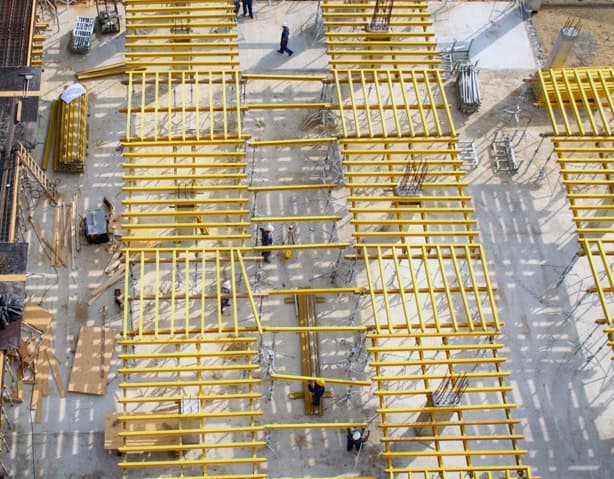
Temporary scaffolding is a modular support system designed specifically for short-term use in rapid construction projects. Unlike permanent structures, these systems prioritise quick assembly and disassembly, making them essential when construction efficiency requires immediate access to elevated work areas without lengthy setup times. The appeal of temporary scaffolding in quick builds goes beyond simple convenience. Modern construction projects face increasing pressure to deliver results within tight deadlines while maintaining high standards. Temporary scaffolding addresses this challenge through its inherent design philosophy—every component works together to reduce installation time, adapt to changing requirements, and provide secure working platforms. The Benefits of Using temporary scaffolding for Quick Builds include six critical areas that directly impact project success: Each benefit connects with the others, creating a comprehensive solution that transforms how contractors approach time-sensitive projects. The following sections examine these advantages in detail, revealing why temporary scaffolding has become the preferred choice for builds where every hour counts. Why Is Temporary Scaffolding Ideal for Fast Assembly? Temporary scaffolding achieves fast assembly through its modular design, where standardised components fit together seamlessly without complex tools or extensive training. The system eliminates time-consuming welding, cutting, or custom fabrication that traditional scaffolding often requires. Simple Principle of Modular Scaffolding Modular scaffolding operates on a simple principle: each element—frames, braces, platforms, and connectors—follows universal dimensions and connection points. Workers can identify compatible pieces instantly, reducing decision-making time during installation. A typical bay section can be erected in minutes rather than hours, with crews moving systematically across the site without pausing to measure or adjust components. Significant Advancements in Rapid Setup Technology The locking mechanisms represent a significant advancement in rapid setup technology. Modern temporary scaffolding employs: These connection methods dramatically reduce the skill threshold needed for assembly. A construction crew familiar with the system can erect scaffolding at speeds approaching 100 square metres per hour under optimal conditions, compared to 30-40 square metres with conventional methods. Targeted Adjustments Without Dismantling Entire Sections Labour time savings extend beyond the initial setup. When projects require scaffolding modifications—adding height, extending platforms, or creating access points—the modular nature allows targeted adjustments without dismantling entire sections. Workers simply unlock specific components, reconfigure as needed, and secure the new arrangement within the existing framework. Benefits to Project Timelines Project timelines benefit from this efficiency in multiple ways. Scaffolding installation no longer represents a bottleneck that delays subsequent trades. Concrete crews, bricklayers, and finishing teams can begin work sooner, maintaining momentum throughout the build schedule. The reduced labour hours also free skilled workers for other critical tasks rather than tying them up in prolonged scaffold construction. How Does Temporary Scaffolding Provide Flexibility During Construction? Flexible scaffolding adapts seamlessly to changing project requirements through its inherent modular system design. Components can be added, removed, or repositioned within hours rather than days, allowing construction teams to respond immediately to evolving build specifications or unexpected site challenges. The site adaptability of temporary scaffolding becomes particularly valuable when working on complex structures with irregular shapes or multiple elevation levels. A scaffold configuration suitable for ground-floor work can be swiftly reconfigured to accommodate second-storey installations without requiring a complete teardown and rebuild. This adaptability extends to situations where access points need to shift as different trades move through the construction sequence. Adjusting to Different Build Stages Each construction phase demands unique access requirements. During foundation work, scaffolding may need minimal height but extensive ground coverage. As the structure rises, the same components can be reconfigured vertically, creating multi-level platforms that grow alongside the building. This vertical expansion happens without compromising the base structure or requiring entirely new equipment. Responding to Site Constraints Construction sites rarely offer perfect conditions. Uneven terrain, existing structures, or restricted access zones require scaffolding solutions that work around obstacles rather than against them. The modular nature allows for: Accommodating Design Changes Mid-project modifications are common in construction. When clients request alterations or engineers identify necessary adjustments, temporary scaffolding can be reconfigured to match new specifications. A scaffold initially designed for external wall access can be restructured to provide interior ceiling access, or extended to reach newly added building sections. The speed of reconfiguration minimises project delays. Where traditional scaffolding might require days of planning and reconstruction, modular temporary systems can be adapted during a single shift, keeping workers productive and timelines intact. How Does Temporary Scaffolding Ensure Worker Safety? Temporary scaffolding prioritises construction safety through engineered stability features that match or exceed permanent installations. Modern systems incorporate anti-slip platforms, guardrails, toe boards, and locking mechanisms that create secure platforms even during rapid deployment. The modular components undergo rigorous testing to withstand dynamic loads, wind forces, and worker movement. Scaffold safety relies on standardised connection points that eliminate guesswork during assembly. Each joint features positive locking systems—often colour-coded or numbered—that prevent incorrect installation. Workers can verify proper engagement through visual and tactile feedback, reducing human error during time-pressured builds. Compliance with The Benefits of Using temporary scaffolding for Quick Builds extends to meeting HSE regulations and BS EN 12811 standards. Temporary systems must pass identical load-bearing tests as permanent structures: The temporary designation refers to installation duration, not structural integrity. Manufacturers design these systems with safety factors of 4:1 or higher, meaning platforms support four times their rated capacity before failure. Galvanised steel tubes resist corrosion whilst maintaining strength, and aluminium alternatives offer comparable load ratings at reduced weight. Quick-assembly features enhance rather than compromise safety. Tool-free connections eliminate dropped spanners, whilst integrated ladders with self-closing gates prevent falls during access. Diagonal bracing installs in seconds through wedge clamps, providing immediate lateral stability that protects workers from the first platform level upwards. Why Is Temporary Scaffolding a Cost-Effective Solution for Quick Builds? Temporary scaffolding is a highly cost-effective solution for quick builds due to its ability to be reused and set up quickly. Here’s how it works: 1. Reusability of Scaffolding Components Contractors can use the same reusable scaffolding components across multiple projects, eliminating the need to constantly invest in new equipment. This approach turns
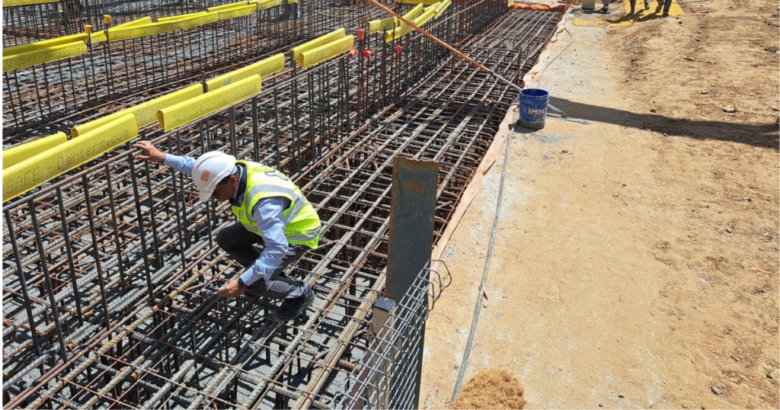
What is Durable Rebar and Why Should You Consider it for Your Next Construction Project? Durable rebar is a type of reinforcement used in construction that is specifically designed to make concrete structures stronger while also being resistant to damage from the environment over long periods of time. Unlike regular steel reinforcement bars, durable rebar has special features built into it—such as protective coatings, stainless steel materials, or advanced carbon steel mixtures—that prevent rusting and keep the structure intact even in tough conditions. The Role of Construction Reinforcement Reinforcement is crucial in concrete construction because it helps distribute and absorb tensile forces that concrete alone cannot handle. The quality of the reobar used directly affects the durability, safety, and lifecycle performance of buildings, bridges, and other infrastructure assets. When high-grade reobar is specified, structures achieve long-term resilience with minimal maintenance requirements. In contrast, low-quality reobar accelerates material fatigue, increasing the risk of early failure and driving up repair and compliance costs within just a few years. The Importance of Choosing the Right Reinforcement Material The success of a construction project depends on various factors, one of which is the choice of reinforcement material. This decision not only affects the immediate outcome of the project but also its long-term performance. Structures that are exposed to moisture, saltwater, or chemicals are at a higher risk of deteriorating quickly if made with inferior materials. Durable rebar offers a solution to this problem by providing resistance properties specifically designed for such environments. Why Durable Rebar is a Smart Choice for Modern Construction Projects Here are three reasons why durable rebar should be considered for your next construction project: These benefits elevate durable rebar from being just another building material to becoming an intelligent investment choice. Various projects such as those located near coastlines or underground systems can greatly benefit from using this type of reinforcement which maintains its performance regardless of challenging conditions. The initial decision regarding what kind of materials will be used has a significant impact on future budgets allocated for maintenance work, safety outcomes achieved during inspections, as well as overall reliability exhibited by structures throughout their intended lifespan. How Does Corrosion Resistance in Durable Rebar Types Benefit Construction Projects? Corrosion resistance protects structures from the inside out, preventing the rust-related deterioration that compromises standard steel rebars and leads to costly structural failures. Standard steel rebars oxidise when exposed to moisture and oxygen, causing the metal to expand up to six times its original volume. This expansion creates internal pressure that cracks concrete from within, weakening load-bearing capacity and threatening the entire structure’s integrity. Why Standard Steel Rebars Fail Under Environmental Stress Traditional mild steel rebars lack adequate protection against environmental aggressors. When water penetrates concrete through cracks or porous sections, it reaches the embedded steel and initiates electrochemical reactions. Chloride ions from saltwater or de-icing chemicals accelerate this process dramatically. The resulting rust not only weakens the rebar itself but also breaks the bond between steel and concrete, creating a cascade of structural problems that worsen exponentially over time. Galvanised Rebar: Zinc-Coated Protection Galvanised rebar features a zinc coating that acts as a sacrificial barrier, corroding in place of the underlying steel. This protective layer extends the rebar’s service life by 50 to 100 years compared to uncoated alternatives. The zinc coating works through cathodic protection, where the zinc preferentially oxidises before the steel substrate. Even if the concrete cracks and exposes the rebar, the zinc continues providing protection to nearby steel surfaces through electrochemical action. The thickness of zinc coating typically ranges from 76 to 610 micrometres, with thicker coatings offering enhanced protection in harsh environments. Galvanised rebar proves particularly effective in: Stainless Steel Rebar: Premium Corrosion Defence Stainless steel rebar delivers the highest level of corrosion resistance through its chromium-rich composition, which forms a self-healing passive oxide layer. This invisible film regenerates automatically when damaged, providing continuous protection without requiring external coatings. How Does Durable Rebar Provide Strength, Flexibility, and Cost-effectiveness for Various Construction Needs? Durable rebar delivers exceptional tensile strength that reinforces concrete structures against powerful external forces. This reinforcement proves essential when buildings face earthquakes, floods, or sustained heavy loads that would otherwise compromise structural integrity. How Does Tensile Strength Protect Against External Forces? The load-bearing capacity of durable rebar transforms brittle concrete into a resilient composite material. When seismic activity strikes, the tensile properties of reinforcement bars absorb and distribute stress throughout the structure. Standard concrete alone cracks under tension, but properly reinforced sections maintain their form even during violent ground movements. High-grade rebar creates a network within concrete that: What Makes Carbon Steel Rebar Ideal for Handling and Installation? Carbon steel rebar combines strength with practical advantages that simplify construction workflows. Its lightweight nature reduces physical strain on workers whilst maintaining the durability required for demanding applications. Contractors appreciate how these bars bend and shape without special heating equipment. The flexibility of carbon steel allows fabricators to create complex reinforcement patterns. Curved architectural features, spiral staircases, and custom foundation designs become achievable without sacrificing structural performance. Installation crews can position these bars quickly, cutting labour hours on site. Does the Initial Investment in Durable Rebar Pay Off? Stainless steel rebar costs more upfront than mild steel alternatives, yet the financial picture shifts when examining decades of service life. A structure reinforced with standard mild steel might require major repairs within 15-20 years, especially in harsh environments. Durable options extend this timeline to 50 years or beyond. The cost-effectiveness calculation includes: How Does Corrosion Resistance Translate to Financial Savings? How Do Durable Rebars Support Sustainable Construction Practices? Durable rebars contribute significantly to sustainable construction by incorporating recyclable materials and reducing the environmental footprint of building projects. Many manufacturers produce these reinforcement materials from recycled steel, which diverts waste from landfills and decreases the demand for virgin raw materials. This circular approach to material sourcing aligns with modern eco-friendly building principles whilst maintaining the structural integrity required for demanding construction applications. The manufacturing process for